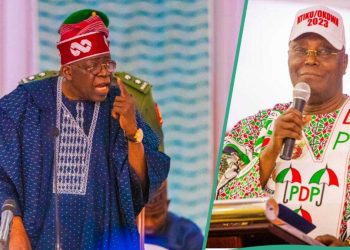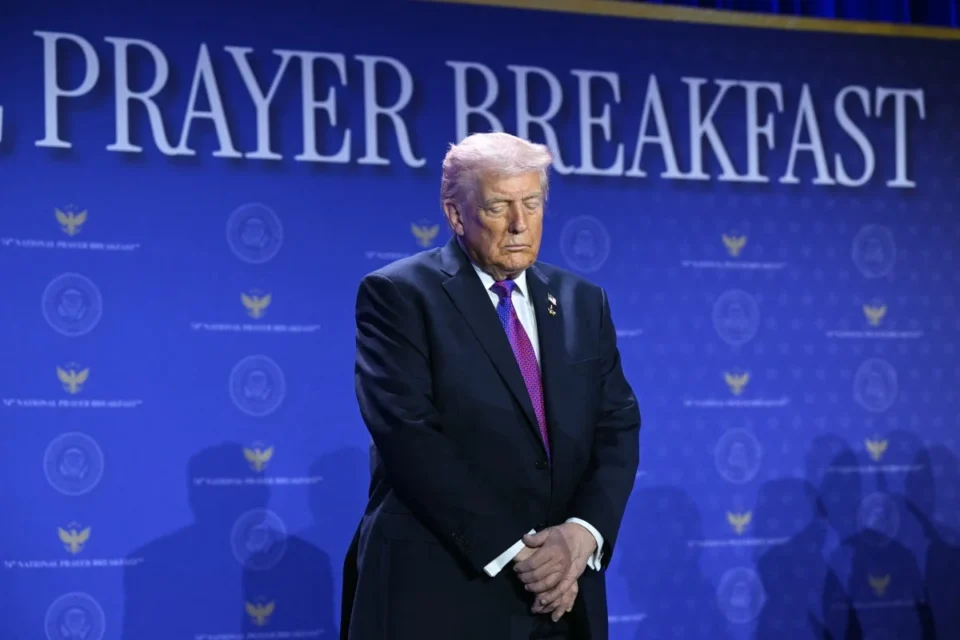
A coalition of Christian organisations and human rights groups from Nigeria’s 36 states and the Federal Capital Territory (FCT) has petitioned United States President Donald Trump, the U.S. Congress and members of the international diplomatic community over concerns surrounding the possible retention of a Muslim-Muslim presidential ticket in the 2027 general elections.
The coalition argued that Nigeria’s religious and ethnic diversity should be reflected in its highest political offices, maintaining that a same-faith presidential ticket could undermine the country’s unity and inclusiveness. The groups urged the international community to closely monitor political developments ahead of the 2027 elections and encourage respect for democratic principles and equal representation.
According to the petition, the coalition expressed concern that retaining a Muslim-Muslim ticket could heighten religious tensions and weaken public confidence in Nigeria’s democratic process. It called on international partners to support initiatives that promote fairness, equity and peaceful coexistence among the country’s diverse communities.
The petitioners maintained that Nigeria’s multi-religious character should remain a key consideration in political decision-making. They argued that leadership at the national level should reflect the country’s diversity and foster a sense of belonging among all citizens, irrespective of their faith or ethnic background.
The development comes amid increasing political activities ahead of the 2027 general elections, with parties, pressure groups and civil society organisations intensifying consultations and public engagements. Issues relating to zoning, power-sharing and the composition of party tickets have continued to feature prominently in national political discussions.
Political analysts say debates over religious balance in leadership have remained part of Nigeria’s electoral landscape for many years. While some believe political parties should prioritise competence above all else, others argue that balancing religious and regional interests is important for national unity and political stability.
Observers also note that petitions to foreign governments or international organisations do not determine Nigeria’s electoral process, which is governed by the country’s Constitution, electoral laws and institutions. They emphasise that decisions regarding candidates and elections ultimately rest with Nigerian political parties, the Independent National Electoral Commission (INEC) and the electorate.
The coalition urged political leaders to conduct peaceful, issue-based campaigns and avoid actions capable of deepening religious or ethnic divisions. It also called on Nigerians to remain committed to democratic values, tolerance and national unity as preparations for the 2027 elections gather momentum.
Meanwhile, stakeholders have continued to advocate dialogue and mutual respect among political actors, stressing that peaceful elections are essential to Nigeria’s democratic development. They also encouraged citizens to participate actively in the electoral process while respecting the rule of law.
The petition has added another dimension to the growing political conversations ahead of the 2027 general elections, with debates over leadership, inclusion and national cohesion expected to remain central as parties prepare for the next electoral cycle.