A chieftain of the All Progressives Congress (APC), Osita Okechukwu, has once again called on former Vice-President Atiku Abubakar to reconsider his decision to contest the 2027 presidential election, urging him to step down in recognition of the country’s informal power-sharing arrangement between the northern and southern regions.
Okechukwu, one of the founding members of the ruling APC and former Director-General of the Voice of Nigeria (VON), made the appeal in Enugu while restating his earlier position that Atiku should not enter the presidential race because the nation’s highest office is currently occupied by a southerner.
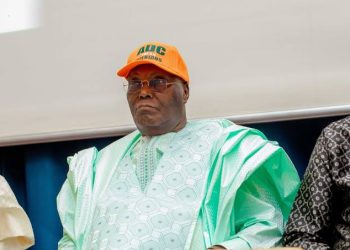
Atiku, who has pursued the ambition of becoming Nigeria’s president for several years, recently secured the presidential ticket of the African Democratic Congress (ADC), setting the stage for a possible contest against President Bola Tinubu in the 2027 election.
The APC leader’s comments followed a recent appeal by the Southern Political Progressive Amalgamation Forum (SPPAF), which encouraged Atiku to strengthen his chances of winning the election by carefully selecting a suitable running mate with strong appeal in the southern part of the country.
The group reportedly advised the ADC presidential candidate to focus on building wider acceptance in the South and improving his political strategy ahead of the forthcoming election.
However, Okechukwu rejected the advice, describing it as unhelpful and urging Atiku not to be influenced by what he called self-interested groups. According to him, the former vice-president should put national unity above personal ambition by allowing the South to complete its expected period in power.
He argued that the current arrangement should remain in place until 2031, after which leadership could return to the North. Okechukwu maintained that respecting the rotation principle would promote fairness, stability and greater trust among Nigeria’s diverse regions.
The APC figure further claimed that pressure from groups focused on political interests contributed to Atiku’s decision to move away from the zoning understanding within the Peoples Democratic Party (PDP), a development he believes weakened the party’s internal structure.
He appealed to Atiku to return to the principles of political zoning, arguing that doing so would help protect Nigeria’s democracy and reduce tensions surrounding the struggle for power.
Okechukwu also questioned why Atiku, who previously supported the idea of zoning during the administration of former President Goodluck Jonathan, would now challenge the same arrangement. He recalled that Atiku had once defended the importance of zoning within the PDP, especially regarding the circumstances that led to Jonathan becoming vice-president in 2007.
According to him, as someone who benefited from the zoning system, Atiku should continue to support the practice as a way of promoting national balance, inclusion and political harmony.
When asked whether it was too late for Atiku to withdraw from the 2027 presidential race due to the level of preparation already undertaken, Okechukwu disagreed.
He insisted that changing course was still possible, saying that political leaders could make adjustments whenever it served the greater interest of the nation. He advised Atiku to embrace a statesmanlike role by focusing less on criticism of President Tinubu and instead working toward building a stronger and more organised opposition movement before the election.