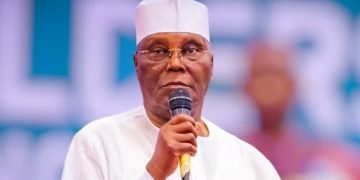


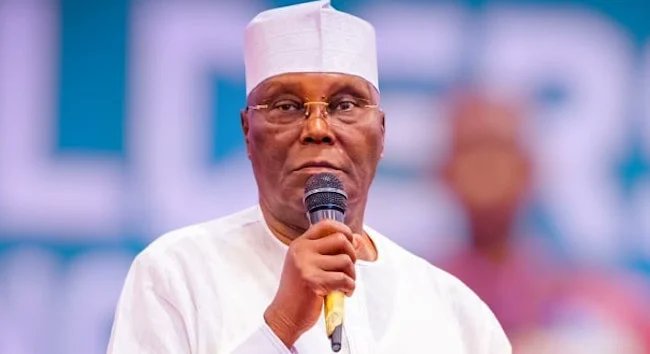
Former Vice President Atiku Abubakar is set to visit the United States as part of efforts to draw international attention to what he describes as Nigeria’s worsening insecurity, economic hardship, and governance challenges.
His Media Adviser, Paul Ibe, confirmed the development in a statement on Sunday, noting that the former presidential candidate would engage with policy and institutional stakeholders during the visit.
According to the statement, Atiku’s trip is aimed at highlighting what he termed a “full-blown internal crisis” in Nigeria — one he believes can no longer be ignored or reduced to partisan politics.
Atiku painted a grim picture of the country’s security situation, citing escalating violence across several regions. From insurgency in the North-East and banditry in the North-West to recurring clashes in the Middle Belt and the spread of kidnapping nationwide, he warned that the Nigerian state is struggling to fulfill its primary responsibility of protecting lives and property.
“Communities are being overrun, livelihoods destroyed, and citizens abandoned to their fate,” Atiku said, describing the situation as a pattern of systemic failure rather than isolated incidents.
On the economy, the former Vice President expressed concern over rising inflation, a weakened naira, and declining purchasing power, which he said have pushed millions of Nigerians into hardship. He also criticized what he described as policy inconsistency and a lack of strategic direction, arguing that these issues continue to erode investor confidence.
“Nigerians are not just tired, they are being stretched to the limits of endurance,” he said.
Atiku further cautioned against any attempt to undermine transparency in the electoral process as the country approaches another election cycle, warning that such actions could have serious consequences for national unity and democratic legitimacy.
Addressing potential criticism of his planned international engagement, Atiku defended his decision to speak about Nigeria’s challenges abroad, insisting that telling the truth about the country’s situation is not unpatriotic.
“Telling the truth about Nigeria is not unpatriotic,” he said, dismissing claims that engaging foreign partners amounts to inviting external interference.
He emphasized that Nigeria, as a major player on the global stage, cannot isolate itself from international scrutiny, especially given the global implications of its internal challenges.
“The real question is whether Nigerian leaders are prepared to confront it honestly,” Atiku added.
While acknowledging that Nigerians alone will determine their political leadership, he noted that international stakeholders have a legitimate interest in the country’s stability, governance standards, and democratic processes.
According to him, responsible leadership should embrace scrutiny as an opportunity for improvement rather than shy away from it.
Atiku also warned the government against complacency, stressing that political power is not an entitlement but a responsibility that must deliver tangible results.
He concluded by urging Nigerians to remain vigilant and actively demand accountability from their leaders.
“No nation survives in silence,” he said, adding that meaningful change will only come through the collective will and engagement of the people.