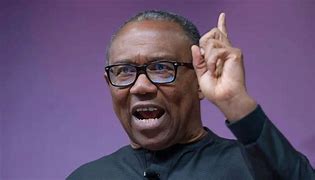


Peter Obi has stated that none of the contenders in the 2027 presidential race can match what he intends to deliver to Northern Nigeria. He described the region as Nigeria’s most valuable economic resource and said his agenda would focus on unlocking its potential through agriculture, improved security, and targeted grassroots development.
The former Anambra State governor made the remarks during an interview on Arise Television on Monday, where he presented his vision to voters in the North and responded to suggestions that his chances in the region depend on the endorsement of influential political figures.
Obi argued that the North should not be viewed as a burden on the national economy but rather as an underdeveloped asset capable of generating greater revenue than crude oil if properly managed. He maintained that strategic investment in agriculture and human capital would significantly transform the region’s economic fortunes.
According to him, “Nobody can do what I intend to do in the North. We will change the North. Our greatest asset as a country is in the North. We can make more money from agriculture than we make from oil.”
He emphasized that meaningful progress in the region would require a deliberate focus on reducing poverty, strengthening education systems, and improving healthcare delivery. Obi said these interventions are essential to unlocking long-term development and economic productivity.
“If we want to secure the North, we must invest in agriculture, reduce poverty, and improve education and healthcare,” he said.
When asked whether he would need the support of prominent northern politicians such as Nasir El-Rufai and Rabiu Musa Kwankwaso to make electoral gains in the region, Obi said he was open to collaboration but insisted that Nigeria’s future should not be determined by a few political actors.
“I will work with them so they can support the process, but Nigeria is bigger than individuals,” he noted.
Obi further argued that Nigeria’s core challenge lies not in a lack of resources but in weak leadership and the persistent use of ethnicity and religion as political tools. He said these divisions have hindered national unity and slowed progress across the country.
“We need leaders who will unite us as a country. Religion and tribe should not define our future,” he said.
He also stressed that sustainable development cannot be achieved without first addressing insecurity, particularly in the northern region, which has faced persistent challenges over the years. According to him, restoring safety is a prerequisite for any meaningful economic or social progress.
“You cannot achieve development without first ensuring security,” Obi added.
The presidential hopeful said he has studied development models from several countries and believes similar strategies can be adapted to Nigeria’s unique circumstances to drive growth and improve living standards.
“I have visited several countries and seen what works. We can replicate those successes here,” he said.
Obi also called for a stronger and more respected opposition in Nigeria, arguing that democracy functions best when dissenting voices are allowed to operate freely. He urged the government to avoid treating opposition groups as threats and instead create an enabling environment for constructive political engagement.
“The government should protect the opposition. In fact, they should make opposition stronger and make it work,” he said.
Overall, Obi’s message focused on repositioning the North as a central pillar of Nigeria’s economic future while linking development to security, inclusion, and better governance.