

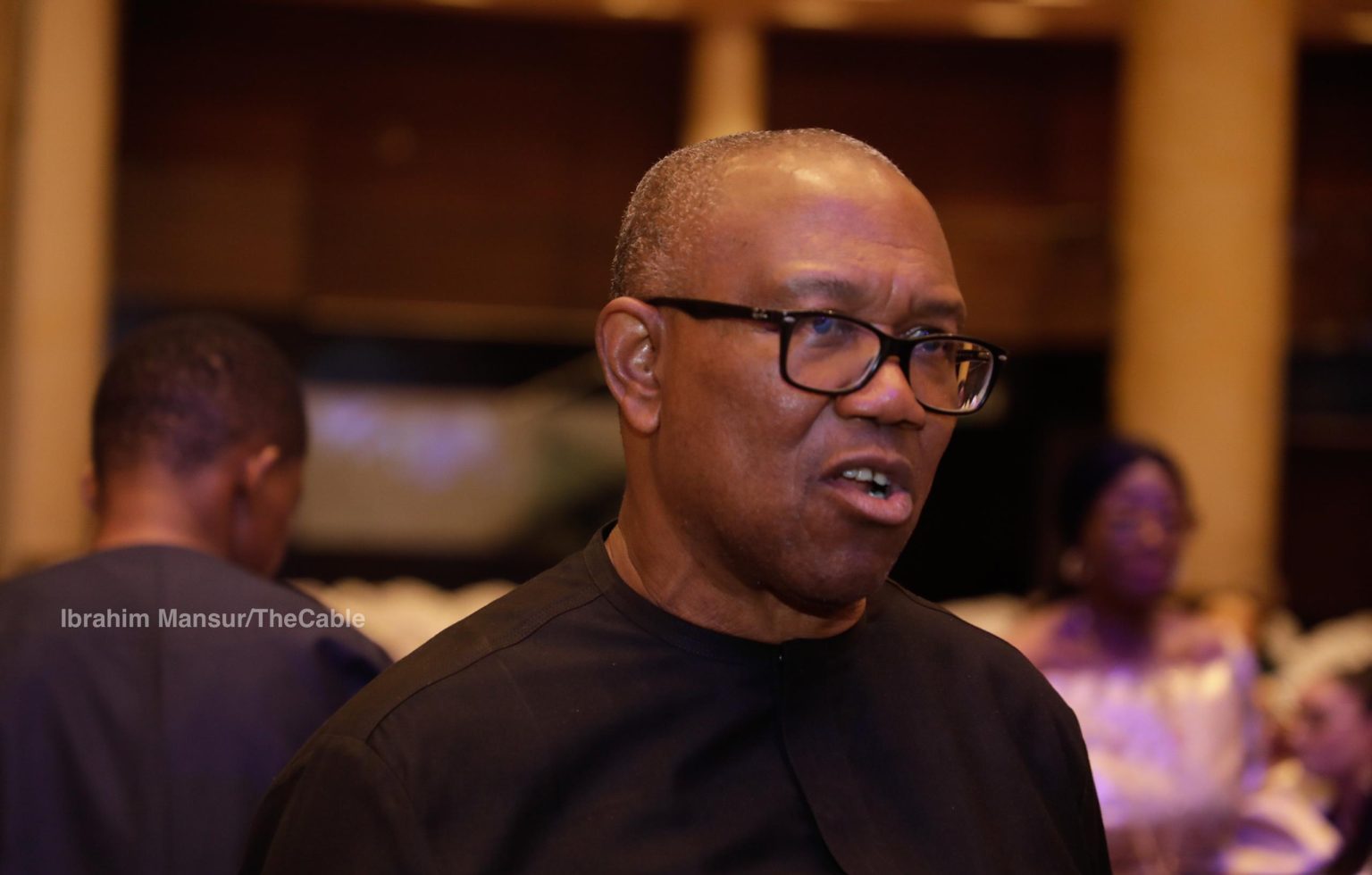
Peter Obi,Former presidential candidate of the Labour Party Nigeria, has expressed deep concern over what he sees as a sharp rise in poverty levels in Nigeria under the administration of President Bola Tinubu.
Obi’s reaction followed the release of a recent policy report by Agora Policy, which was supported by the Nigeria Economic Stability and Transformation Programme as well as the United Kingdom’s Foreign, Commonwealth and Development Office. The report reportedly shows that poverty in Nigeria has increased significantly—from around 40 percent prior to recent economic reforms to more than 63 percent.
Taking to his verified account on X (formerly Twitter), Obi highlighted the alarming implications of the findings. According to him, the data suggests that over 140 million Nigerians are now living below the poverty line out of an estimated population exceeding 220 million people. He stressed that such figures raise serious concerns about the real impact of current economic policies on ordinary citizens.
Obi argued that many Nigerians are now facing extreme financial hardship, with families struggling to meet basic needs such as food, transportation, housing, and healthcare. He noted that the situation has forced households to adopt difficult survival measures. These include cutting down on daily meals, walking long distances instead of paying for transport, coping with prolonged power outages, and relying on borrowed funds just to get by.
The former governor of Anambra State also pointed to the growing challenges faced by small businesses across the country. He described these enterprises as the backbone of the national economy but lamented that many are shutting down due to the harsh economic environment. According to him, rising costs and declining purchasing power have made it increasingly difficult for businesses to remain operational.
In addition, Obi criticised what he termed excessive government spending, saying it stands in stark contrast to the suffering experienced by millions of Nigerians. He argued that leaders should demonstrate discipline, accountability, and a willingness to make sacrifices, especially during periods of economic difficulty.
Obi maintained that for reforms to be effective, they must prioritise the welfare of the people. He emphasised that policies should focus on reducing hardship, protecting vulnerable groups, and creating an enabling environment for small businesses to grow. In his view, reforms that worsen inequality or deepen poverty cannot deliver sustainable progress.
He concluded by calling on the government to urgently adopt measures that would boost production, strengthen local enterprises, and provide support for struggling households. According to him, addressing these challenges is essential to improving living conditions and restoring confidence in the country’s economic direction.