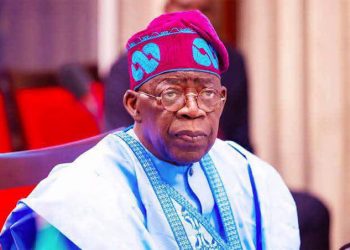
ABUJA, February 23, 2026 — Former Kaduna State Governor Nasir El-Rufai has taken the Independent Corrupt Practices and Other Related Offences Commission (ICPC) to court, filing a N1 billion fundamental rights enforcement suit over what he describes as the unlawful invasion of his Abuja residence.
The suit, marked FHC/ABJ/CS/345/2026 and filed at the Federal High Court in Abuja on February 20, names the ICPC as the first respondent, alongside the Chief Magistrate of the FCT Magistrate’s Court, the Inspector-General of Police, and the Attorney-General of the Federation as co-respondents.
At the centre of the legal action is a search warrant issued on February 4 by the Chief Magistrate of the FCT, which El-Rufai’s legal team — led by senior advocate Oluwole Iyamu — is asking the court to declare invalid, null and void.
According to court documents, officers from the ICPC and the Nigeria Police searched El-Rufai’s house at No. 12 Mambilla Street, Aso Drive, Abuja, on February 19 at around 2 p.m., in what the former governor says amounted to a violation of his constitutional rights to dignity, personal liberty, fair hearing, and privacy.
El-Rufai’s lawyers argue that the warrant was defective on multiple grounds. They described it as “null and void for lack of particularity, material drafting errors, ambiguity in execution parameters, overbreadth, and absence of probable cause,” and contended that any evidence obtained during the search cannot be used against him in any investigation or trial.
Iyamu specifically argued that Section 143 of the Administration of Criminal Justice Act requires that an application for a search warrant be supported by information in writing and on oath, setting forth reasonable grounds for suspicion — a requirement he said was absent in this case. He added that Section 144 mandates particular descriptions of the place to be searched and the items sought, to prevent general warrants, but that the warrant vaguely referred to “the thing aforesaid” without any detail.
The former governor is demanding substantial compensation. His N1 billion claim is broken down as N300 million for psychological trauma, emotional distress, and loss of personal security; N400 million as exemplary damages to deter future misconduct by law enforcement agencies; N300 million as aggravated damages for what he described as the “malicious, high-handed and oppressive nature of the operation”; and N100 million to cover legal costs.
In addition to damages, El-Rufai is also seeking a court order directing the ICPC and the Inspector-General of Police to return all items seized from his premises, along with a detailed inventory.
The lawsuit comes amid an intensifying wave of legal and security pressure on the former governor. El-Rufai has faced mounting scrutiny since leaving office, including allegations of diverting N423 billion in public funds. He has also been charged by the State Security Service with cybercrime offences related to the alleged unlawful interception of the phone communications of National Security Adviser Nuhu Ribadu — charges stemming from remarks he made during a live television interview in February.
El-Rufai was taken into ICPC custody on Wednesday, February 18, 2026, shortly after being granted administrative bail by the Economic and Financial Crimes Commission (EFCC), which had detained him earlier that week.
The former governor, who has since defected from the ruling All Progressives Congress to the opposition African Democratic Congress (ADC), has consistently described the string of investigations against him as politically motivated. His legal team has vowed to pursue all available judicial remedies.
The case has yet to be assigned a hearing date.