Nollywood actress, entertainer and political figure Tonto Dikeh has stirred widespread attention with a deeply personal testimony about her lifelong struggle with smoking, substance battles and emotional turmoil, saying she began smoking at just 13 years old and continued the habit for 27 years before finding what she described as spiritual freedom and healing.
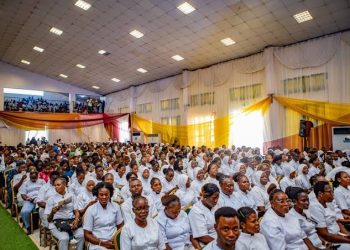
Dikeh shared her testimony publicly during a Sunday service at Streams of Joy International Church, led by Pastor Jerry Eze, where she described how smoking, alcohol addiction, prolonged anger and other personal battles had shaped much of her life, but were ultimately overcome through what she called divine intervention.
Addressing the congregation, the actress said she first took up smoking at age 13, a habit she linked to early exposure through family influence. Her candid revelation included struggle with alcohol and complicated issues including what she described as “demonic anger” and even engaging in contentious personal behaviors that she later came to view as spiritual afflictions.
“I smoked since I was 13,” Dikeh told worshippers. “God healed me from masturbation too. I have known myself to have sexual intercourse in the dream ever since I was a child.”
Her testimony, shared in a video circulated by DCLImagery on YouTube, laid bare years of internal struggle that she said had affected relationships, peace and her sense of self. Dikeh recounted how she nearly pulled back from publicly sharing her story out of concern for her public image, but felt compelled to do so after confronting the idea that protecting an image was less important than acknowledging her journey toward healing.
“The devil tried to tell me that I was supposed to protect my image. But I told myself, what image? The God that gave me the image is the same God that can take it away,” she said.
Dikeh said attendees at the Ghana Prayer Conference marked a turning point in her spiritual life, observing that what she described as a spiritual oppression lifted after that experience. She recounted how the “weak man” that held her in bondage through addictive tendencies began to lose its grip, allowing her to experience levels of peace she had never known before.
At 40 years old, Dikeh said she had “never known peace until now,” emphasizing that her transformation was not merely psychological but spiritual. She also shared photos from the church event on her Instagram, captioning them as “a living testimony of mercy.”
Pastor Jerry Eze prayed over Dikeh during the service, declaring that “the body of sin is broken” and affirming her transformation as a powerful testimony for her generation. Many in attendance and viewers online have reacted to the video, with discussions centering on redemption, the struggle with addiction, and the courage to speak publicly about deeply personal matters.
Dikeh’s openness about her personal battles comes amid continued public curiosity about her life, both inside and outside the entertainment industry. The actress has been known for her candidness and outspokenness on social media and in the press, often making headlines for her views on relationships, motherhood, and mental health. Her testimony this weekend adds another chapter to her public narrative — one that underscores struggle as much as transformation.
Experts on addiction and mental health note that smoking and substance dependence often begin early in life and can be tied to environmental influences, stress and emotional challenges. Dikeh’s testimony — starting at a young age and spanning decades — resonates with health professionals who advocate for early intervention and holistic support for people battling similar issues. Her message has also sparked discussion about the role of spirituality and faith communities in recovery journeys across Nigeria.
Reactions to the testimony have been mixed online, with many Nigerians praising her courage to speak so openly, while others have questioned the framing of her past struggles within spiritual terms. Regardless of perspective, her story has dominated social media trends in celebrity news circles and ignited broader conversations about addiction, faith and public vulnerability in the digital age.
As public figures increasingly share personal narratives of struggle and recovery, Dikeh’s testimony reflects a growing movement in Nigerian society toward destigmatizing conversations around addiction, mental health and spiritual wellbeing. Whether her story will influence public attitudes or policy remains to be seen, but it has undoubtedly captured national attention.


NAFDAC Disposes Of N59m Expired Medicines Seized In Rivers
NAFDAC has disposed of expired medicines and medical consumables valued at about N59 million in Rivers State after the...