


Lawmakers in both the United States and Nigeria this week reconvened separate sessions to confront escalating insecurity across Nigeria — a move signaling growing concern over kidnappings, violence, and the alleged persecution of religious communities.
In Washington, D.C., several committees of the U.S. Congress held a joint briefing on the wave of kidnappings and what some lawmakers described as the targeting of Christians in Nigeria. The session was reportedly prompted by a directive from former U.S. President Donald Trump, who in late October ordered the House Appropriations Committee to investigate the situation — characterised by some as the “slaughter of Christians” — and to report findings to the White House.
Speaking at the hearing, U.S. lawmakers used strong language. One lawmaker, Riley Moore, said Christians in Nigeria were “being persecuted and slaughtered … simply for professing their faith,” while another, Chris Smith, described Nigeria as “ground zero of religious violence,” warning that both Christians and moderate Muslims faced constant threats of murder, rape, and torture. Experts and civil-society representatives added that many communities receive warnings of impending attacks — yet often receive little or no effective response from security forces.
Back in Abuja, the House of Representatives convened a special plenary session to grapple with the country’s widening security crisis. Over three days, lawmakers from key security-related committees — Defence, Police, Intelligence, Judiciary, and others — assessed structural weaknesses in Nigeria’s security architecture, deplorable welfare and morale among security personnel, and the urgent need for deeper community engagement in intelligence gathering and policing.
Speakers during the session argued that Nigeria’s security woes have evolved beyond periodic banditry and insurgency. Instead, lawmakers warned, the nation now faces a complex mix of kidnappings, communal violence, terrorism and frequent attacks on ordinary civilians across multiple regions. In response, proposals ranged from a major overhaul of security agencies — including reviewing recruitment processes — to stronger community-based policing, judicial reforms for quicker justice, and measures to enhance protection for vulnerable schools and communities.
The almost simultaneous sessions in Washington and Abuja underscore the severity and international dimension of Nigeria’s security challenge. On the one hand, foreign lawmakers are framing the crisis in moral and human-rights terms — with potential diplomatic repercussions. On the other, Nigerian legislators are grappling with systemic institutional failures, with talk of bold reform if real change is to come.
As both sessions unfold, the coming days will be critical. The U.S. Congress is expected to compile a detailed report to the White House, while Nigeria’s House of Representatives is set to forward a comprehensive security resolution to the executive — possibly marking the beginning of far-reaching reforms in Nigeria’s security architecture and governance.

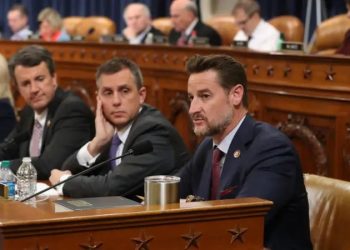
US Reps Pass Nigeria Aid Bill
The United States House of Representatives has approved a proposal seeking to suspend all U.S. assistance to Nigeria unless the...
**back biome**
Mitolyn is a carefully developed, plant-based formula created to help support metabolic efficiency and encourage healthy, lasting weight management.