

A chieftain of the All Progressives Congress (APC), Farouk Aliyu, has said many Nigerian Christians are now more accepting of the party’s Muslim-Muslim presidential ticket ahead of the 2027 general election, arguing that concerns raised before the 2023 polls have reduced under President Bola Tinubu’s administration.
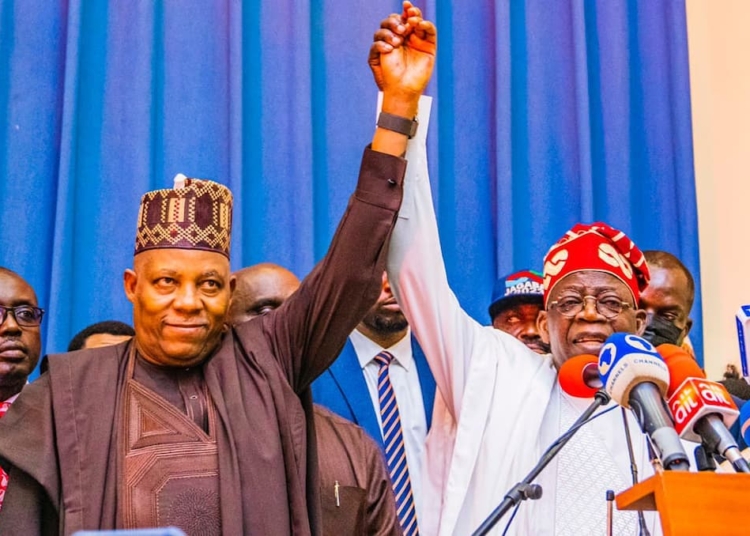
Aliyu made the statement while appearing on a television programme, where he reacted to President Tinubu’s decision to retain Vice President Kashim Shettima as his running mate for the 2027 presidential election. According to him, the decision was based on the success of the existing political partnership and the confidence the ticket has gained since the 2023 election.
The APC chieftain recalled that the decision by the party to present two Muslim candidates during the 2023 presidential election generated significant debate across the country. At the time, some religious and political groups expressed concerns that Christians could be underrepresented in government.
However, Aliyu argued that developments since the administration came into office have changed public perception. He said the Tinubu government has demonstrated that leadership is focused on national issues rather than religious identity, adding that fears of religious exclusion have not materialised.
He maintained that retaining the Tinubu-Shettima combination was a strategic decision by the APC leadership to maintain stability and avoid unnecessary political uncertainty ahead of the next election. He expressed confidence that Nigerians would support the same ticket again in 2027.
The Muslim-Muslim ticket remains one of the most discussed political issues in Nigeria’s recent electoral history. While supporters of the arrangement argue that competence, experience and political strategy should determine candidates, critics have continued to raise concerns about religious balance and inclusiveness in national leadership.
Political analysts say the issue is likely to remain part of national debate as parties prepare for the 2027 elections. They note that Nigeria’s religious diversity often plays an important role in political conversations, particularly when presidential candidates and running mates are selected.
Observers believe that the performance of the current administration, public opinion and the ability of political parties to address citizens’ concerns will influence how voters respond to major campaign issues ahead of the next election.
Meanwhile, opposition parties are expected to use the coming election cycle to present alternative visions and challenge the ruling party’s record. Analysts say issues such as economic conditions, security, employment and governance are likely to compete with identity-based discussions during political campaigns.
As preparations for the 2027 general election continue, the APC has continued to defend its decision to maintain the Tinubu-Shettima ticket, describing it as a tested partnership capable of securing another electoral victory.
However, political stakeholders have urged parties to focus more on policies and solutions that improve the lives of Nigerians rather than allowing issues of religion and identity to dominate national conversations.
With the election period approaching, the debate over political alliances, representation and leadership choices is expected to remain a major part of Nigeria’s political landscape.