

The United States House of Representatives has approved a bill that would withhold all U.S. assistance to Nigeria until the country demonstrates measurable progress in tackling terrorism, violence and protecting vulnerable communities. However, the proposal must still be considered by the U.S. Senate and signed by the President before it can become law.
The measure was adopted during consideration of the U.S. fiscal year 2027 appropriations bill. Lawmakers voted in favour of an amendment sponsored by Congressman Gregory Steube, increasing the proposed restriction on U.S. assistance to Nigeria from 50 per cent to 100 per cent while retaining conditions requiring the Nigerian government to take effective action against insecurity.
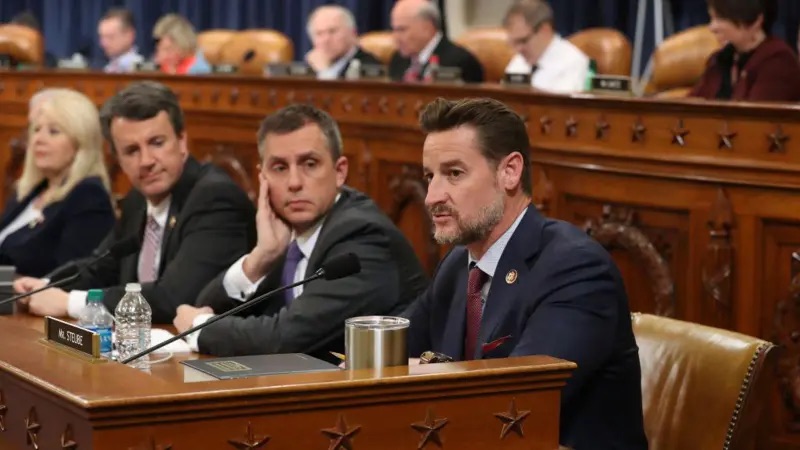
Speaking during debate on the House floor, Steube argued that the Nigerian government had not done enough to prevent violent attacks and hold perpetrators accountable. He maintained that American taxpayers’ money should only support governments that demonstrate commitment to protecting their citizens and addressing terrorism.
The legislation states that future U.S. assistance would depend on certification by the U.S. Secretary of State that Nigeria has taken effective steps to combat violence, improve security and ensure accountability for those responsible for attacks. Lawmakers supporting the amendment said the measure was intended to encourage stronger action against insecurity rather than permanently suspend bilateral cooperation.
Although the House has approved the proposal, it is not yet law. The bill must pass through the U.S. Senate before it can be sent to the President for assent. Until those legislative steps are completed, there will be no immediate change to existing U.S. assistance programmes in Nigeria.
The proposal has generated widespread discussion because the United States remains one of Nigeria’s important international partners in areas including security cooperation, health programmes, humanitarian assistance and economic development. Analysts say any future reduction or suspension of assistance could affect several ongoing bilateral initiatives if the legislation eventually becomes law.
Supporters of the bill argued that foreign assistance should be tied to measurable improvements in security, protection of civilians and accountability. They said countries receiving American assistance should demonstrate progress in addressing terrorism and violent attacks affecting their populations.
The Nigerian government has consistently maintained that it is taking steps to combat terrorism and criminal violence through military operations, intelligence gathering and cooperation with international partners. Officials have also stated that insecurity affects communities of different religious and ethnic backgrounds and should not be viewed through a single lens.
Political observers believe the House vote reflects growing international attention to Nigeria’s security situation. They note that the final outcome will depend on the legislative process in the United States and any subsequent negotiations before the appropriations bill is enacted.
As discussions continue, both Nigerian and American stakeholders are expected to closely monitor developments. Analysts say continued diplomatic engagement and sustained efforts to improve security will remain important in strengthening relations between the two countries while addressing the security challenges facing Nigeria.