The United States and Nigeria have agreed to deepen security collaboration following a series of high-level meetings aimed at addressing Nigeria’s escalating insecurity and easing recent diplomatic tensions.
The development was confirmed on Monday in a statement released by Bayo Onanuga, Special Adviser to the President on Information and Strategy. The renewed cooperation comes days after the U.S. designated Nigeria as a “country of particular concern,” a move that strained relations and prompted Abuja to send a high-powered delegation to Washington.
According to the presidency, both governments endorsed the immediate implementation of a non-binding security cooperation framework and the creation of a Joint Working Group to coordinate their efforts. The United States also indicated willingness to provide complementary support, including humanitarian assistance for conflict-affected communities in the Middle Belt and technical help to strengthen early-warning and response systems.
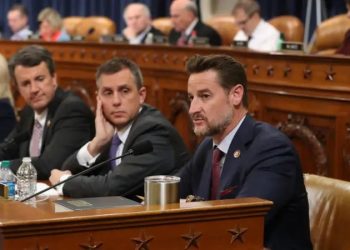
The Nigerian delegation, led by National Security Adviser Mallam Nuhu Ribadu, held engagements with senior officials from the U.S. Congress, the State Department, the National Security Council, the White House Faith Office, and the Department of War. The discussions focused on counterterrorism, defence cooperation, and addressing misinformation surrounding Nigeria’s internal security challenges.
In the statement, the presidency noted that the delegation “firmly rejected allegations of genocide,” stressing that violence in the country affects communities across diverse ethnic and religious backgrounds. Nigerian officials argued that mischaracterizing the conflict risks deepening divisions and obscuring the complex realities on the ground.
Following the engagements, Washington affirmed readiness to enhance intelligence sharing, fast-track defence equipment requests, and consider the provision of excess defence articles—pending availability—to aid Nigeria’s operations against terrorists and violent extremist groups.
For its part, Nigeria reiterated commitments to improving civilian protection and ensuring safeguards for vulnerable populations, particularly in frequently targeted areas of the Middle Belt. The presidency said the discussions helped “correct misconceptions,” rebuild confidence between both countries, and advance a more coordinated approach to security.
The delegation to Washington included Attorney-General of the Federation Lateef Fagbemi (SAN); Chief of Defence Staff General Olufemi Oluyede; Chief of Defence Intelligence Lt. Gen. Emmanuel Parker Undiandeye; Inspector General of Police Kayode Egbetokun; Ambassador Ibrahim Babani, Director of Foreign Relations at the Office of the NSA; and Ms. Idayat Hassan, Special Adviser to the NSA.
The Federal Government urged Nigerians to remain assured that decisive, coordinated actions are underway to strengthen national security and protect communities nationwide.