

The (PAACA) Peering Advocacy and Advancement Centre in Africa has called on the Federal Government to suspend the proposed 15 per cent import tariff on petrol and diesel, warning that the move could significantly raise fuel prices and worsen the economic hardship facing Nigerians.
Speaking at a press conference in Abuja, PAACA’s Executive Director, Ezenwa Nwagwu, explained that the current domestic refining capacity is far below the country’s energy needs. He argued that implementing the tariff now would effectively push importers out of the market, leading to scarcity, inflated pump prices, and potential monopolies in the downstream oil sector.
According to Nwagwu, imported petrol presently lands at about ₦802 per litre, while locally refined products cost around ₦929.72 per litre. Introducing a 15 per cent import tariff, he warned, could push pump prices up by between ₦140 and ₦165 per litre nationwide. This, he said, would not only deepen inflationary pressure but also raise the cost of transportation, food, and other essential goods.
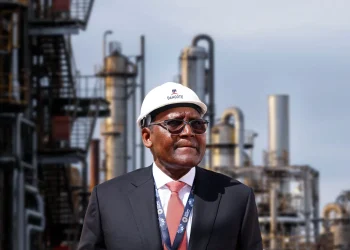
He emphasized that the Dangote Refinery, which the policy appears to benefit, currently meets only about 40 per cent of national fuel demand and still imports components for blending. Nwagwu cautioned that relying on a single supplier could give the company excessive control over pricing and distribution, marginalizing independent marketers and depot owners who have invested heavily in infrastructure.
“Our position is simple,” Nwagwu stated. “The Federal Government must suspend or reject this proposed tariff, review its economic, social, and ethical implications, and ensure transparency and fair competition in the downstream sector. Monopolies in critical areas like fuel, cement, and food only hurt consumers, workers, and small businesses.”
He urged the government to delay the policy until domestic refining capacity reaches at least 80 per cent of national demand. This, he noted, would create a more balanced and competitive market, ensuring that local production can sustainably meet Nigeria’s energy needs before restricting imports.
PAACA further recommended that the Nigerian Midstream and Downstream Petroleum Regulatory Authority (NMDPRA) publish monthly data on refinery output, import volumes, and landing costs to promote accountability. The organisation also proposed establishing a downstream competition framework under the Petroleum Industry Act (PIA) and creating an energy market monitoring unit within the Federal Competition and Consumer Protection Commission (FCCPC) to prevent cartel practices and ensure consumer protection.
Nwagwu concluded that true energy security lies in fostering multiple suppliers rather than protecting a single dominant player. He urged the government to prioritize citizens’ welfare by promoting policies that ensure affordable fuel, fair market competition, and transparency throughout the energy value chain.
In summary, PAACA’s message to the Federal Government is clear: suspending the planned fuel import tariff is essential to prevent further economic strain, promote competition, and protect Nigerians from higher costs in a sector that affects every aspect of daily life.