

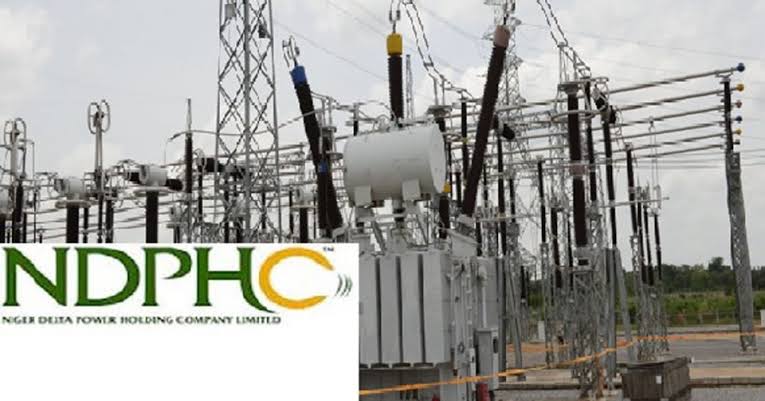
The Niger Delta Power Holding Company (NDPHC) has urged high-energy-consuming industries and commercial organisations to enroll in its Eligible Customer Programme, which allows them to purchase electricity directly from NDPHC and other power generation companies. This call was contained in a statement issued by the company on Sunday, emphasizing that the programme provides participating customers with stable, reliable, and affordable power.
The Eligible Customer Programme was first introduced in 2017 and later reviewed in 2024 to expand access and improve operational efficiency. It enables approved industrial and commercial users to receive electricity directly from generation assets, bypassing some of the inefficiencies associated with the national grid. Under the programme, customers can access power supply ranging from six to 20 megawatts, depending on their energy requirements. Once a Power Purchase Agreement is finalised and eligibility is confirmed, users benefit from tailored pricing structures and negotiated tariffs that reflect actual consumption patterns, alongside improved supply reliability.
According to NDPHC, the initiative is part of a broader strategy to utilise more of its generation capacity. The company currently has over 2,000 megawatts of stranded power electricity generated but not delivered to consumers due to transmission and market constraints. By selling power directly to bulk users, NDPHC aims to optimise its assets, improve revenue inflows, and support the growth of energy-intensive sectors of the economy.
The Managing Director and Chief Executive Officer of NDPHC, Jennifer Adighije, described the programme as a strategic move to enhance Nigeria’s industrial competitiveness. She noted that reliable and cost-efficient power supply remains a critical factor for improving productivity, reducing operational costs, and strengthening manufacturing value chains. Adighije cited Phoenix Steel Mills as an example of how direct power supply arrangements can result in more stable operations and improved output.
She further explained that the outcome from early adopters has reinforced the company’s decision to expand the programme to additional industrial zones and clusters. The company is also exploring embedded and bilateral power supply solutions, especially in areas where transmission network limitations prevent efficient delivery of electricity through the national grid.
Adighije highlighted the long-standing challenges in Nigeria’s centralised electricity market, including revenue shortfalls, payment defaults, liquidity issues, and general sector instability. According to her, it is no longer sustainable for generation companies to depend solely on the centralised market structure for their financial viability. To address this, NDPHC is shifting toward bilateral power agreements that allow direct sales to large, creditworthy consumers capable of paying cost-reflective tariffs.
She stated that in the past year, the company has made progress in identifying qualified industrial customers under the Nigerian Electricity Regulatory Commission’s eligibility framework. NDPHC is now negotiating agreements that ensure improved liquidity and reduce exposure to market inefficiencies. The company believes that expanding bilateral and direct power sales is a commercially viable strategy that will secure its financial stability while contributing to Nigeria’s broader industrial and economic development.




**back biome official**
Mitolyn is a carefully developed, plant-based formula created to help support metabolic efficiency and encourage healthy, lasting weight management.