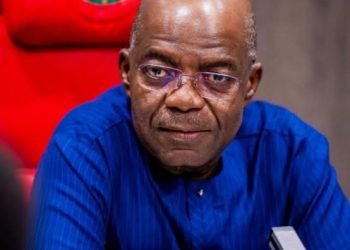



Former Vice President Atiku Abubakar has called on the Federal Government to uphold transparency and prioritize national interest in the ongoing efforts to amend the Petroleum Industry Act (PIA). He cautioned that a lack of openness in the process could undermine investor confidence and weaken Nigeria’s control over its vital natural resources.
Atiku’s intervention follows reports that the Office of the Attorney General of the Federation has informed select agencies of President Bola Tinubu’s approval for amendments to the PIA. The proposed changes are said to be aimed at curbing fiscal leakages and tackling declining revenues in the oil and gas sector.
In a statement released on his official social media platforms, Atiku expressed concern over the development, particularly regarding the potential divestment of significant government equity in key joint ventures. “Recent developments surrounding the proposed amendments to the Petroleum Industry Act and the planned divestment of substantial equity in major joint ventures are troubling,” he noted.
While reiterating his long-standing support for liberalisation of the energy sector and the restructuring of underperforming state-owned enterprises, including through privatisation where necessary, Atiku stressed that such reforms must be guided by transparency, accountability, and a clear long-term strategy.
He recalled that the PIA, passed in 2021, was intended to overhaul Nigeria’s opaque petroleum industry by introducing clarity, attracting investment, and building investor confidence. Any attempt to alter its provisions, he argued, should therefore be approached with caution and broad stakeholder engagement. “The Petroleum Industry Act was enacted to instill clarity and accountability in a sector long plagued by opacity. Any effort to amend its core provisions must involve wide consultations and careful consideration,” he emphasised.
The former Vice President raised particular concern about reports that the Federal Government may reduce Nigeria’s equity in joint ventures such as RAEC JV, Oando JV, and Seplat Energy JV. He warned that moves to sell down these holdings, especially under conditions perceived to benefit a select group of insiders or foreign entities, could erode Nigeria’s sovereignty over its most strategic assets.
Atiku further warned that poorly managed reforms could destabilise the petroleum industry, diminish public trust, and compromise national energy security. He insisted that any privatisation process must be anchored on competitive bidding, public scrutiny, and genuine accountability. “The Federal Government must ensure that any such exercise is carried out transparently, with full competitive processes and subject to public oversight. This is the only way to safeguard our economic future and guarantee fair distribution of benefits from our natural resources,” he said.
He concluded by cautioning against prioritising short-term fiscal gains over the country’s long-term stability and national interest. “We must resist the temptation to trade long-term security for temporary financial relief,” he warned.
The PIA remains the most comprehensive legislative reform in Nigeria’s oil and gas industry in decades. While designed to strengthen governance and attract investment, its implementation has continued to provoke debate and contention among key stakeholders.