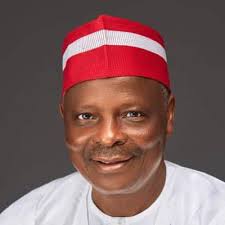
As Nigeria inches toward the 2027 general elections, the political spotlight is firmly on Senator Rabiu Musa Kwankwaso, a former Kano State governor, ex-Minister of Defence, and leader of the New Nigeria People’s Party (NNPP).
The recent resignation of APC National Chairman,AbdullahiGanduje,Kwankwaso’s long-time political rival, has fueled rumours of a calculated effort to woo Kwankwaso back into the party. Analysts believe the APC, facing mounting criticism and regional dissatisfaction under President Bola Tinubu’s administration, sees Kwankwaso as a strategic northern ally who can restore the party’s credibility and influence in the region.
Kwankwaso’s Kwankwasiyya Movement holds massive grassroots appeal, especially in Kano and parts of northern Nigeria. His performance in the 2023 elections, where the NNPP won Kano State despite limited resources, proved his relevance as a third-force candidate.
However, Kwankwaso has repeatedly distanced himself from the APC. In a strongly worded statement, he disclosed that President Tinubu personally reached out to persuade him to rejoin the party. But Kwankwaso said he rejected the offer outright, citing the APC’s record of hardship, economic decline, and insecurity. “I made it crystal clear… I would rather quit politics entirely than return to the APC,” he stated.
Despite his public refusal, the political calculus remains uncertain. Kwankwaso’s critics suggest his animosity towards the APC was primarily driven by Ganduje’s dominance in the party, and with Ganduje now gone, a political realignment may be on the horizon.
Sources within the APC hint at a possible vice-presidential ticket offer to Kwankwaso, an attempt to consolidate northern votes and rejuvenate the party ahead of 2027. While the offer could provide national leverage and set the stage for a 2031 presidential run, some warn that Kwankwaso risks damaging his brand if the move is perceived as opportunistic.
Historically, northern politicians brought into southern-led governments with promises of power-sharing have often ended up politically marginalized. The challenge for Kwankwaso is to negotiate from a position of strength without betraying his movement’s core ideals.
Observers note that the APC doesn’t lack structure, it lacks influence and connection with disillusioned voters. Kwankwaso, with his red-cap movement and unmatched street credibility, offers both.
If he accepts the APC’s overtures, it could consolidate Kano and surrounding northern states for the ruling party and weaken the growing “Stop Tinubu” coalition reportedly forming among disenchanted northern elites and former allies.
Still, Kwankwaso’s legacy hangs in the balance. A misstep could fracture his loyal base and undermine his political capital. But if managed carefully, this move could propel him to the highest echelons of Nigerian politics.
As 2027 approaches, Kwankwaso stands at a political crossroads, to stay the course with NNPP or embrace a strategic alliance that could determine the next chapter of Nigeria’s leadership.