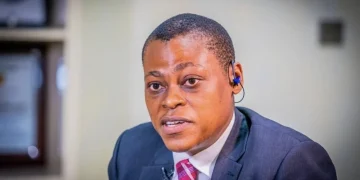


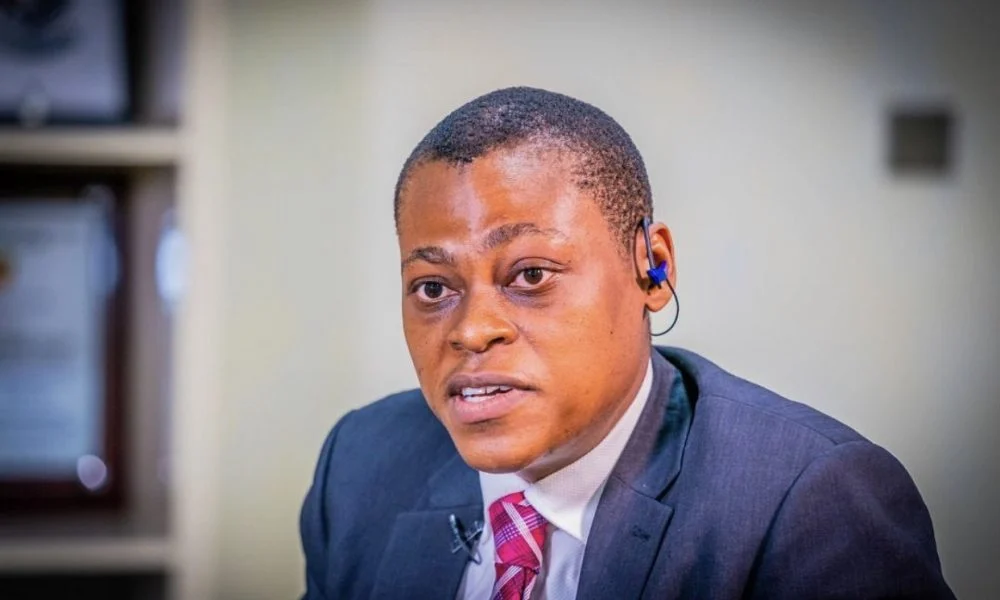
Arise Television personality Rufai Oseni has accused the Federal Government of inconsistency following its announcement of a 30-day petrol price reduction at Nigerian National Petroleum Company Limited (NNPCL) stations.
Oseni argued that the initiative represents a form of fuel subsidy, despite Finance Minister Taiwo Oyedele’s explanation that the arrangement does not qualify as one.
The presenter spoke on Friday during The Morning Show, where he questioned the government’s decision to offer motorists temporary relief amid preparations for the 2027 general elections.
He observed that the administration had spent months opposing the restoration of fuel subsidy but had now approved a short-term intervention to bring down petrol prices.
Oseni praised former Vice President Atiku Abubakar for drawing attention to the need for policies that would ease the burden of rising fuel costs on Nigerians.
He referred to Atiku’s September 18 address, in which the former vice president reportedly stated that Tinubu could introduce such a measure under a different description and take the credit, provided it reduced the hardship faced by citizens.
The broadcaster said the government had not done enough to cushion the effects of rising petroleum prices, despite international crude oil prices surpassing $100 per barrel since March 8.
He maintained that the latest decision contradicted the administration’s earlier position that fuel subsidy should not be reinstated.
Oseni further questioned the rationale for restricting the price reduction to 30 days, asking whether the programme would remain in place after the period elapsed.
He expressed concern that the intervention might be discontinued after the elections, leaving Nigerians exposed to rising fuel costs once again.
The Arise Television host also recalled Tinubu’s previous appeal to state governments to embrace Compressed Natural Gas (CNG) as an alternative capable of reducing transportation costs.
He argued that the petrol price cut showed that the government could introduce measures to support consumers when economic conditions demanded it.
Responding to claims that the initiative was simply a discount, Oseni asked who would bear the cost of the reduced selling price.
He explained that profits are necessary for businesses to cover expenses and finance future investments, insisting that the financial implications of the government’s decision should not be ignored.
Oseni’s criticism focused on what he described as conflicting government positions, the limited duration of the price reduction and the uncertainty surrounding continued relief for Nigerians.