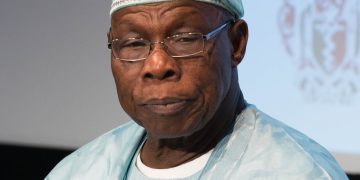


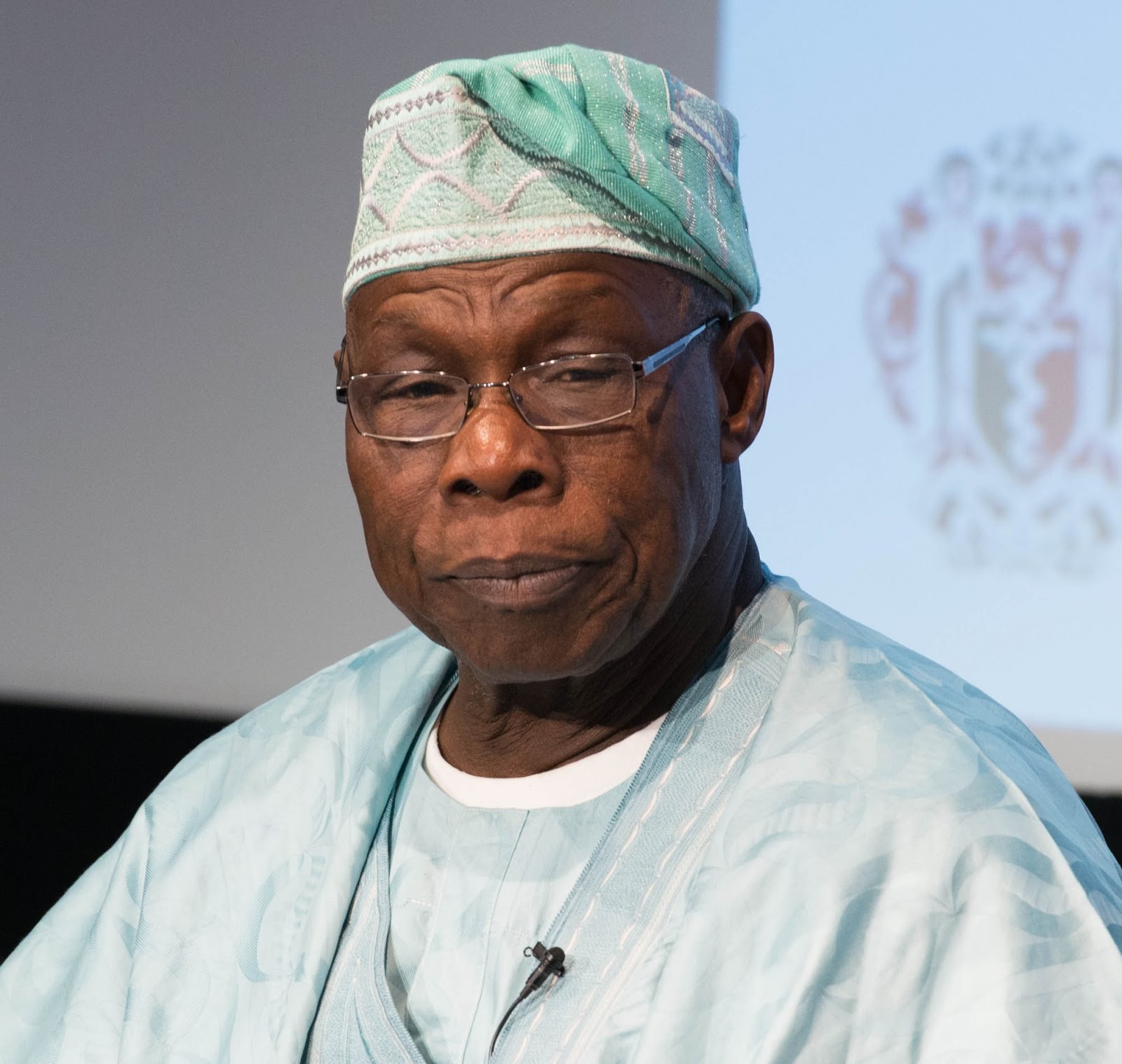
Former President Olusegun Obasanjo has appealed to survivors and families of victims of the 1967 Asaba Massacre to embrace forgiveness and reconciliation.
Obasanjo made the appeal on Wednesday while participating virtually as chairman of the 59th anniversary memorial of the massacre in Asaba, Delta State.
He described the killings as one of the most painful and tragic episodes of the Nigerian Civil War, saying the conflict was an unfortunate event that should never have occurred.
The former president said he was deeply moved after receiving documents on the massacre from the convener of the Asaba Massacre Memorial, Chuck Nduka-Eze.
Obasanjo urged the people of Asaba to forgive and work towards reconciliation, stressing the importance of ensuring that such a tragedy does not happen again.
However, the Asagba of Asaba, Obi Epiphany Azinge, said while the community was willing to forgive, it would not forget the killings.
Azinge maintained that there could be no complete closure or healing for the people of Asaba until a sitting Nigerian president publicly apologises for the massacre.
He also questioned Obasanjo’s call for the tragedy never to happen again, recalling the killings in Odi during Obasanjo’s tenure as president.
Despite his demand for a presidential apology, the Asagba publicly declared that the Asaba community had forgiven the family of Colonel Ibrahim Taiwo, who was associated with the military operation during the massacre.
Major-General Ahmed Taiwo (retd.), the late colonel’s son, had earlier expressed regret and apologised on behalf of his father and family.
Meanwhile, Delta State Governor Sheriff Oborevwori, represented at the event by Secretary to the State Government Kingsley Emu, said the killing of unarmed civilians could never be justified.
The governor also pledged continued support for efforts to secure national recognition of the massacre and establish a permanent memorial.
The Asaba Massacre Memorial organisers said preparations were already underway for the 60th anniversary next year, with efforts focused on establishing a permanent memorial centre.