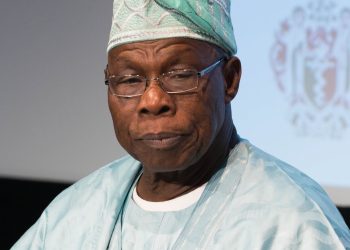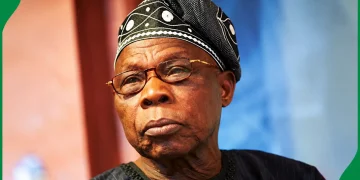


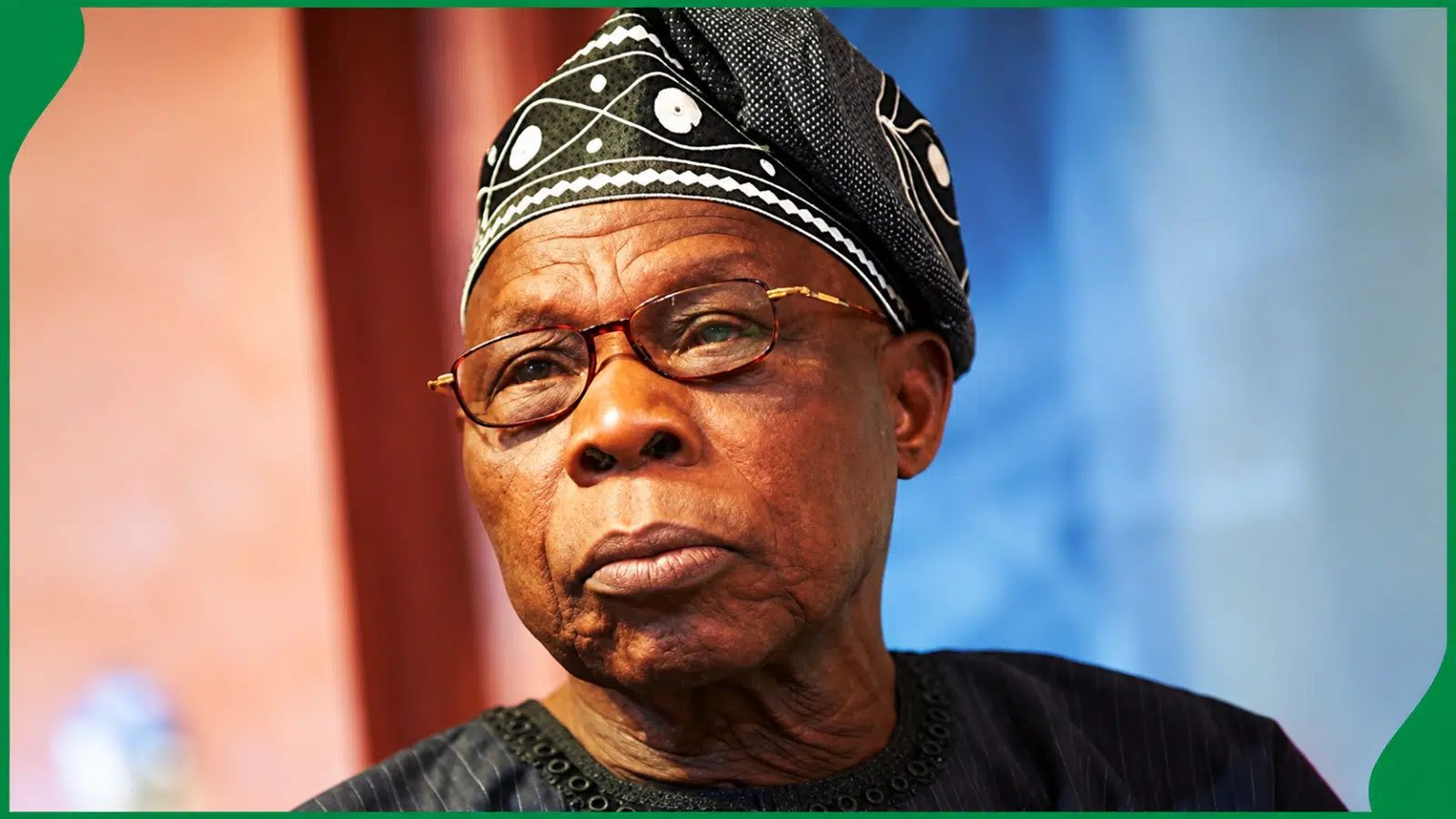
Former President Olusegun Obasanjo has called on survivors and relatives of those killed during the 1967 Asaba Massacre to let go of resentment and embrace forgiveness as part of efforts to achieve reconciliation.
Obasanjo made the appeal on Wednesday while taking part virtually as chairman of the occasion at a memorial event held to commemorate the 59th anniversary of the tragedy in Asaba, Delta State.
The former president described the killings as one of the darkest and most painful episodes associated with the Nigerian Civil War, noting that the incident had left a lasting scar on the people of the community.
According to him, the civil war itself was a devastating chapter in the nation’s history and represented an experience that Nigerians should never have to go through again.
Obasanjo disclosed that he became emotional after receiving documents detailing the events surrounding the Asaba killings from Chief Chuks Nduka-Eze.
He appealed to the people of Asaba to consider forgiveness as a path towards healing, while also stressing the importance of ensuring that similar atrocities are not repeated in the country.
Addressing participants at the anniversary ceremony, Obasanjo repeatedly encouraged the community to forgive those responsible for the tragedy.
He said, “To all of you assembled: let us keep one thing in mind, forgiveness, forgiveness, and forgiveness again.”
The former president maintained that reconciliation remained important despite the painful history associated with the massacre.
He urged the people to look towards healing and peaceful coexistence while ensuring that the memory of those who lost their lives was preserved.
Obasanjo also stressed that remembering the past should serve as a lesson for future generations and help prevent the country from returning to the kind of violence witnessed during the civil war.
However, the appeal for forgiveness received a measured response from the Asagba of Asaba, Epiphany Azinge.
The traditional ruler said although the people of Asaba were willing to forgive, they would continue to remember the events of 1967 and the lives that were lost.
Azinge argued that forgiveness should not be interpreted as an erasure of history, insisting that the community still required meaningful acknowledgement of the tragedy before genuine healing could take place.
He said the people would be unable to achieve complete closure without a formal apology from a sitting Nigerian president.
According to him, former military Head of State, General Yakubu Gowon (retd.), had already expressed regret over the massacre after leaving office, but the community wanted an apology from the country’s serving president.
“We may not forget, but certainly, we have to forgive,” Azinge said.
He added that a direct apology from a sitting president would help address the emotional wounds associated with the incident and provide the community with a greater sense of closure.
“We need a sitting president to apologise to Asaba people; that will bring closure,” the monarch said.
Azinge also raised questions about Obasanjo’s call for the country to ensure that such events never happen again.
He referred to the Odi killings, which occurred in Bayelsa State during Obasanjo’s tenure as president, arguing that the incident showed that Nigeria had experienced another controversial military operation decades after the civil war.
The monarch’s comments highlighted the tension between the need to forgive past atrocities and the demand for official recognition, accountability and acknowledgement of historical injustices.
The memorial therefore provided an opportunity to remember the victims of the Asaba Massacre, reflect on the consequences of the civil war and renew calls for reconciliation while preserving the historical record of the tragedy.