

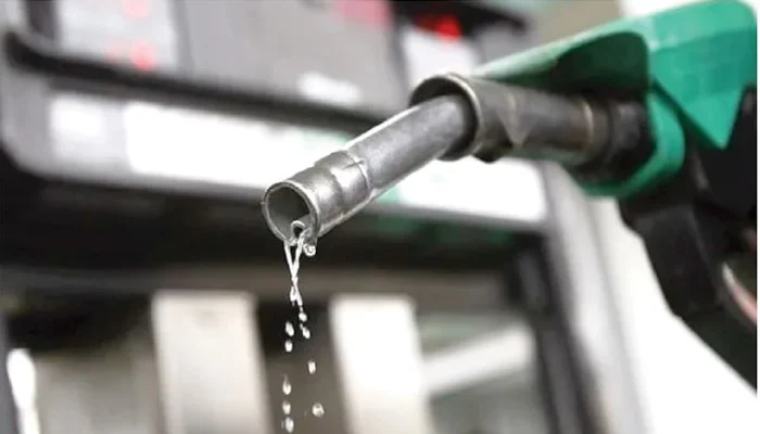
Organised labour has threatened to embark on a strike in October over the rising cost of petrol and its impact on workers and the general cost of living in Nigeria.
The planned industrial action is expected to increase pressure on the Federal Government as workers express concerns about the continued rise in fuel prices and the resulting increase in transportation costs and prices of essential goods.
The Joint National Public Service Negotiating Council (JNPSNC), which comprises eight public sector unions, issued a three-day warning strike notice to the Federal Government, giving it until September 30 to address its demands.
In a letter to President Tinubu dated September 21, the council called for a reduction in petrol prices to ₦500 per litre, an immediate wage award for public servants and the commencement of negotiations for a new national minimum wage ahead of 2027.
The unions argued that the current petrol price, which they said ranges between ₦1,450 and ₦2,000 per litre in many areas and reaches as high as ₦2,500 in some locations, has placed considerable financial pressure on workers and their families.
The council also urged the Federal Government to establish an intervention fund to address fuel landing costs and support operators in the oil and gas sector. It further called for crude oil to be supplied to the Dangote Refinery and modular refineries on terms that would encourage domestic production and help reduce fuel prices.
On wages, the workers demanded immediate financial relief to cushion the effects of rising living costs. They also called for a tripartite committee involving government, employers and labour representatives to begin negotiations for a new minimum wage expected to take effect in 2027.
In a statement issued on Tuesday, September 29, the council’s National Secretary, Gbenga Olowoyo, maintained that the September 30 deadline remained unchanged.
The council warned that failure by the Federal Government to meet its demands would trigger a three-day warning strike beginning Friday, October 2, 2026, potentially disrupting public services across the country.