

The Independent National Electoral Commission (INEC) has clarified that it does not arrest or prosecute electoral offenders, saying such responsibilities belong to the appropriate law enforcement agencies.
The clarification comes amid growing concerns over alleged electoral offences and reports of inciting rhetoric and violence surrounding the 2027 election cycle.
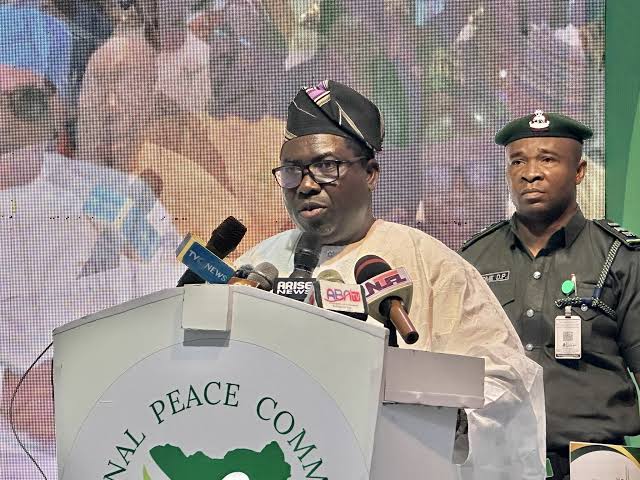
INEC Deputy Director of Voter Education and Publicity, Wilfred Ifogah, made the clarification while responding to questions on the status of electoral offences arising from the recent Osun State governorship election.
According to Ifogah, no person had been arrested based on evidence establishing an electoral offence arising from the Osun election.
“As of now, nobody was arrested with any evidence in the Osun election,” he said.
INEC Says Police Must Investigate and Prosecute
Ifogah explained that while INEC is responsible for conducting elections and can monitor or document incidents, the Commission does not have the mandate to prosecute electoral offenders.
He said the investigation, arrest and prosecution of people suspected of committing electoral offences remain the responsibility of the police and other relevant law enforcement agencies.
The clarification is important because INEC’s role in electoral offences is sometimes confused with that of security agencies.
While the Commission administers elections and is responsible for enforcing electoral regulations within its mandate, criminal investigations and prosecutions require the involvement of the appropriate law enforcement and judicial authorities.
What INEC Guidelines Say About Political Rallies
The clarification comes against the backdrop of INEC’s 2026 election guidelines governing conduct during political rallies and processions.
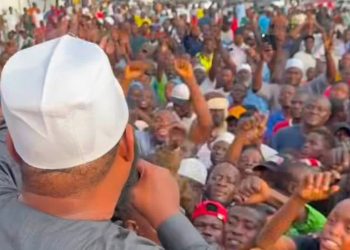
The guidelines prohibit several forms of conduct at political rallies.
Under the provisions cited in the report:
- Participants at political rallies must not possess offensive weapons, except authorised police officers or security personnel specifically deployed to the rally.
- Political rallies and processions must not be held at designated religious centres, police stations or public offices.
- Rallies must not involve abusive language or hate speech.
- Political rallies must not involve physical force or coercion by organised groups or individuals.
- Political parties that violate the relevant provisions may face prosecution in accordance with Section 96 of the Electoral Act.
These provisions place obligations on political parties and participants to ensure that campaigns and rallies remain peaceful and do not become platforms for violence, intimidation or inflammatory speech.
Growing Concern Over 2027 Campaign Rhetoric
The issue is becoming increasingly significant as political parties and politicians intensify preparations for the 2027 general elections.
Political disagreements have become more heated, with rival parties and political actors exchanging accusations over campaign activities, defections, electoral strategies and political alliances.
INEC’s clarification therefore places greater attention on the role of security agencies in responding to conduct that potentially crosses the line from political speech into an electoral offence or criminal activity.
Where there is evidence that an individual has committed an offence, the relevant law enforcement agency would be expected to investigate and, where appropriate, make an arrest and commence prosecution.
Police Yet to Respond
Attempts were reportedly made to obtain a response from the police concerning the status of investigations or possible arrests arising from the Osun election.
However, calls and messages sent to the police spokesperson were reportedly not answered.
As a result, there was no immediate official police explanation regarding whether investigations into alleged electoral offences were ongoing.
What This Means
The latest development highlights a clear division of responsibilities.
INEC conducts and regulates the electoral process, while law enforcement agencies investigate and prosecute alleged criminal electoral offences.
At the same time, political parties and their supporters remain bound by electoral guidelines governing rallies, including restrictions on hate speech, abusive language, violence, coercion and the possession of weapons.
With the 2027 elections approaching, the effectiveness of enforcement will likely become a major issue, particularly if political rhetoric escalates into violence or other alleged electoral offences.