

Public sector workers represented by the Joint National Public Service Negotiating Council (JNPSNC) have maintained their September 30 deadline issued to the Federal Government, warning that they may embark on a three-day industrial action if their concerns are not addressed.
The council disclosed that the proposed warning strike would commence on Friday, October 2, 2026, should the government fail to respond positively to the issues raised by the workers before the expiration of the ultimatum.
The JNPSNC, which brings together eight unions within the public service, is seeking government intervention over the rising cost of petrol, the payment of a wage award and the commencement of discussions on a fresh national minimum wage.
Among its major demands is a reduction in the price of Premium Motor Spirit (PMS), commonly known as petrol, to N500 per litre. The workers are also calling for the immediate introduction of a wage award to provide financial relief for employees facing rising living costs.
In addition, the council wants the Federal Government to constitute a tripartite negotiating committee to begin discussions on a new national minimum wage ahead of 2027. The union body had proposed that the new wage should not be below N500,000.
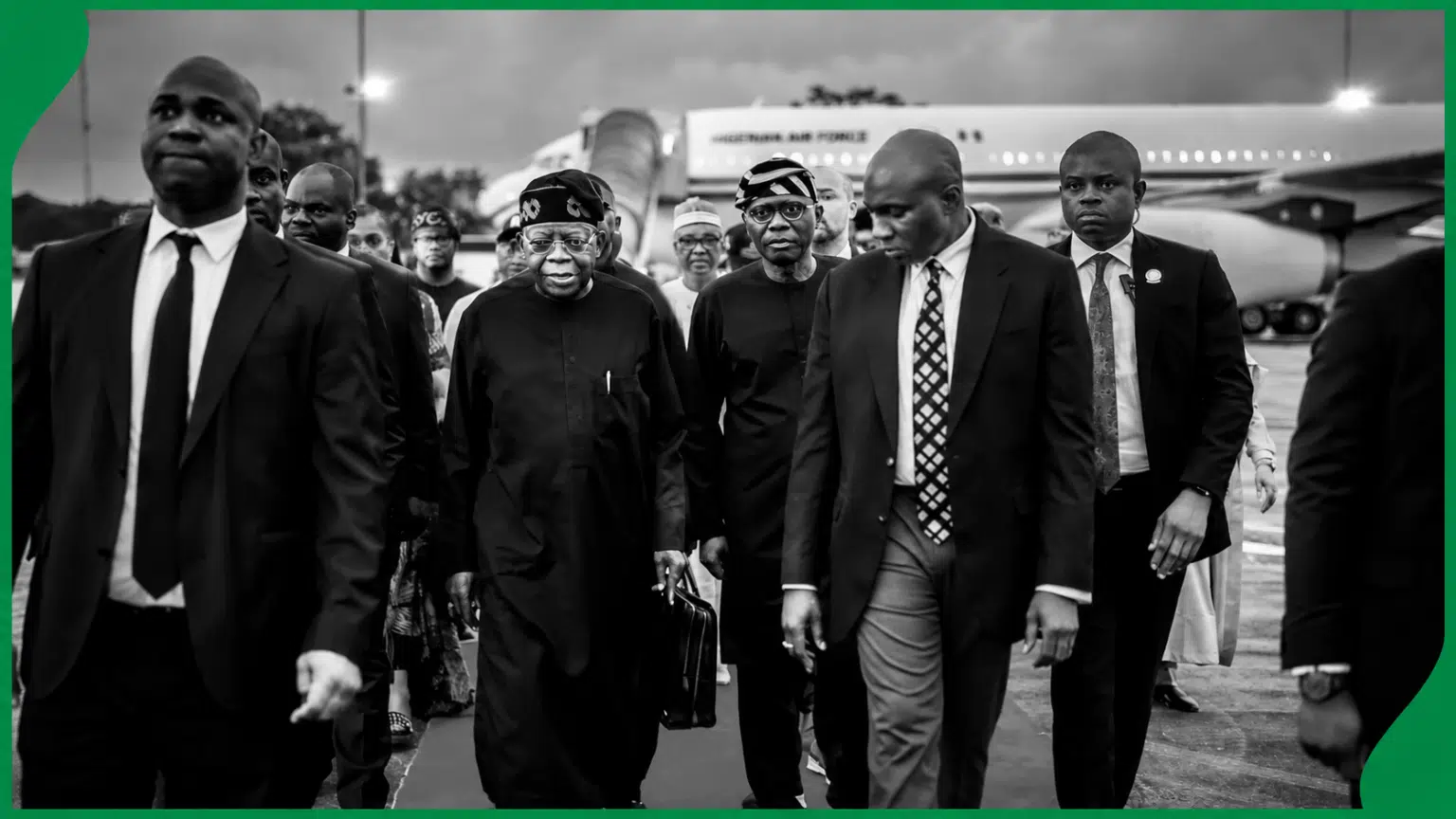
The demands were formally presented to President Bola Ahmed Tinubu in a letter dated September 21, 2026.
Reiterating the position of the council on Tuesday, JNPSNC National Secretary and General Secretary of the Nigeria Civil Service Union, Gbenga Olowoyo, said there had been no change to the September 30 deadline.
He urged the Federal Government to use the President’s Independence Day address to respond to the concerns of workers, particularly the high cost of petrol and the request for a wage award.
According to the council, the current petrol price, which reportedly ranges between N1,450 and N2,000 per litre in several areas and can rise to about N2,500 in some locations, has placed additional financial pressure on workers and their families.
The union body proposed that government could reduce the burden by creating an intervention fund to address the cost of bringing petroleum products into the country while supporting operators in the oil and gas sector.
It also called for crude oil to be supplied to the Dangote Refinery and modular refinery operators under favourable conditions to encourage increased local refining and potentially reduce the cost of petroleum products.
On the wage award, the council said government should introduce immediate financial support for workers to help them cope with the impact of the current economic situation.
The JNPSNC further appealed to the administration to set up the proposed committee on minimum wage negotiations without delay. It explained that beginning the process early would help prevent administrative setbacks and ensure that the eventual agreement can be implemented after legislative approval.
The council warned that failure to act on the demands by September 30 would result in the commencement of the three-day warning strike from October 2.
It maintained that the proposed industrial action was intended to compel the government to address the issues affecting public servants and the wider Nigerian population.