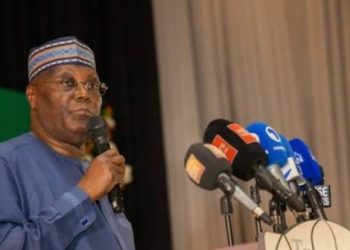


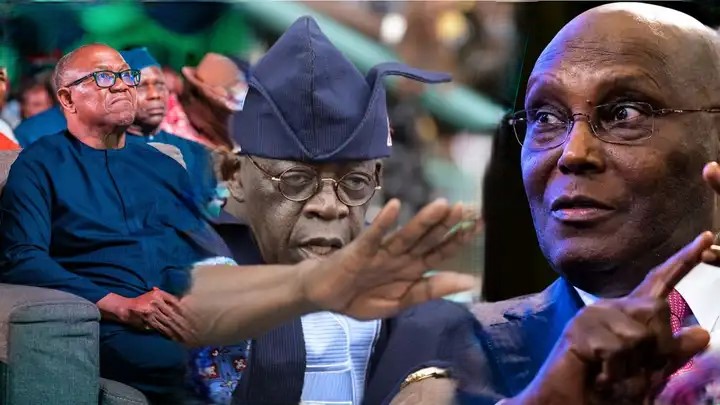
Opposition leaders including former Vice President Atiku Abubakar, former Anambra State Governor Peter Obi, former Kano State Governor Rabiu Kwankwaso and former Rivers State Governor Rotimi Amaechi have intensified efforts to build a stronger political platform ahead of the 2027 general elections.
The opposition figures are among prominent politicians involved in discussions aimed at producing a united political front capable of challenging President Bola Ahmed Tinubu and the ruling All Progressives Congress (APC) in the next presidential election.
The latest development comes amid ongoing efforts by opposition politicians to overcome differences and establish a common strategy for the 2027 election.
The proposed alliance is centred on the idea of bringing major opposition figures together and potentially supporting a single presidential candidate, rather than allowing opposition votes to be divided among several candidates.
The move reflects concerns among opposition politicians that a fragmented opposition could make it easier for the ruling APC to retain power in 2027.
Atiku, Obi, Kwankwaso and Amaechi have all played significant roles in Nigerian politics and have previously belonged to different political parties and political formations.
Their involvement in the opposition discussions has therefore attracted considerable attention as parties begin positioning themselves for the next presidential contest.
The opposition has also been discussing issues surrounding electoral reforms, the economy, insecurity and the overall direction of the country.
Supporters of the proposed alliance believe that cooperation among major opposition figures could provide a stronger challenge to the APC.
However, reaching an agreement on a single presidential candidate remains one of the biggest challenges facing the opposition.
Several of the politicians involved have presidential ambitions, meaning negotiations over the choice of candidate could become difficult as the election approaches.
The development comes against the background of previous opposition efforts to form alliances ahead of Nigerian elections. In 2023, opposition candidates contested separately, allowing voters to choose between several major challengers to the APC.
The current discussions are therefore being closely watched by political observers, who are examining whether the opposition can maintain unity and translate its talks into a structured political arrangement.
For the ruling APC, the emerging opposition coalition represents a significant political challenge ahead of 2027. However, supporters of the government have continued to defend Tinubu’s administration and its policies.
As political activities intensify, Nigerians are expected to pay close attention to the policies, programmes and candidates that emerge from both the ruling party and opposition groups.
The coming months are likely to determine whether the opposition leaders can resolve their differences and present a united candidate for the 2027 presidential election.