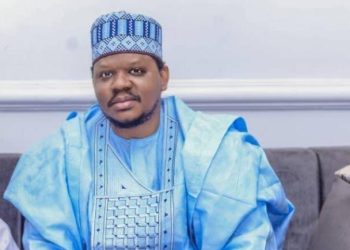


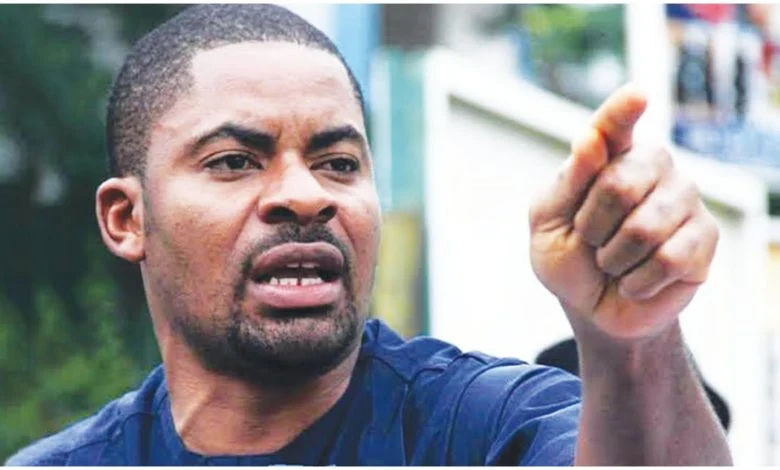
Human rights lawyer Deji Adeyanju has criticised the presidential candidate of the Nigeria Democratic Congress (NDC), Peter Obi, over his recent appearance at a church service in Abuja.
Adeyanju warned politicians against using places of worship for political mobilisation ahead of the 2027 general elections. He argued that political campaigns should focus on competing policies, ideas and visions rather than religious affiliation.
The lawyer made his position known in a statement on Tuesday, saying religious leaders should not allow churches to become platforms for politicians seeking endorsements or political support.
According to Adeyanju, politicising religious spaces could deepen existing divisions in the country, particularly ahead of another highly competitive presidential election.
His comments followed Obi’s attendance at a worship service at Koinonia Global in Abuja, where he was acknowledged by Apostle Joshua Selman. During the service, Obi asked Nigerians to pray for political leaders and urged politicians to stop stealing public funds.
Obi also argued that politicians are responsible for many of Nigeria’s problems and called on Nigerians to pray for all political leaders rather than judging them based solely on party affiliation.
The former Anambra State governor further encouraged Nigerians to examine how other countries have developed and said Nigeria could achieve similar progress if public officials committed themselves to responsible governance and avoided corruption.
Adeyanju, however, maintained that politicians appearing at religious gatherings could blur the distinction between worship and political activities.
He expressed concern that the religious tensions associated with the 2023 presidential election could resurface during the 2027 campaign if politicians continue to rely heavily on religious platforms.
The lawyer also criticised the reported involvement of religious leaders in political endorsements, saying churches should preserve their independence and avoid becoming campaign venues.
He urged pastors and other religious leaders to prevent politicians from turning worship services into platforms for political mobilisation.
The controversy comes as political activities intensify ahead of the 2027 general elections, with major presidential candidates increasingly engaging with different groups and communities across the country.
Adeyanju’s criticism has therefore added to the growing debate over the role of religion in Nigerian politics and whether politicians should be allowed to use religious gatherings to communicate with potential voters.
The development also highlights the sensitivity surrounding religion and politics in Nigeria, where political campaigns have previously generated strong debates along religious and regional lines.
As the 2027 election approaches, politicians and political parties are expected to face increased scrutiny over their campaign strategies and the methods they use to reach voters.
For Adeyanju, the focus should remain on policies and governance rather than religious mobilisation, while Obi’s appearance at the church service has become the latest subject of political debate.