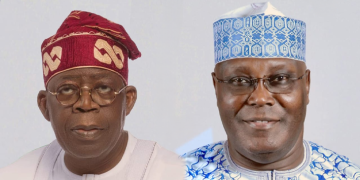


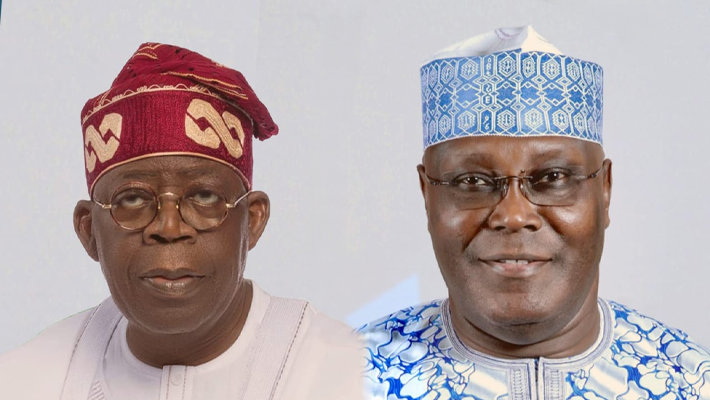
Former Vice President and 2027 presidential candidate Atiku Abubakar has criticised President Bola Ahmed Tinubu’s renewed focus on Compressed Natural Gas (CNG), describing the move as a belated response to the hardship Nigerians have faced since the removal of the petrol subsidy.
Atiku argued that the Federal Government had failed to provide adequate alternatives for Nigerians after removing the subsidy, resulting in increased transportation costs and pressure on household finances.
His criticism comes amid renewed political debate over the government’s economic reforms and the measures being introduced to cushion their impact on citizens.
The former vice president questioned why the administration was placing greater emphasis on CNG initiatives after Nigerians had already endured significant increases in transportation and living costs.
He argued that policies designed to reduce the impact of higher fuel prices should have been implemented earlier rather than introduced after the effects of the subsidy removal had already been widely felt.
Atiku has consistently criticised the Tinubu administration’s handling of the petrol subsidy removal, arguing that the government should provide greater transparency over the savings generated from the policy.
The issue has become an important part of the political debate ahead of the 2027 general elections, with opposition politicians using the rising cost of living and transportation as major areas of criticism against the government.
The Federal Government, however, has maintained that the removal of the subsidy was necessary to protect Nigeria’s finances and redirect resources towards infrastructure and other development priorities. President Tinubu has also defended the policy as an important component of his economic reform programme.
The administration has promoted CNG as one of the alternatives capable of reducing dependence on petrol and lowering transportation costs for Nigerians.
Atiku, however, questioned the timing and effectiveness of the government’s approach, arguing that the hardship experienced by citizens should have been addressed much earlier.
The former vice president’s position forms part of his broader criticism of the Tinubu administration as political parties prepare for the 2027 presidential election.
The debate over fuel pricing, subsidy policy and alternative energy sources is expected to remain a major campaign issue, particularly because transportation costs have a direct impact on food prices, business operations and household expenses.
The controversy also comes amid Atiku’s proposal to restore a form of petrol subsidy if elected president. President Tinubu has criticised that proposal, describing a return to subsidy as poor economic policy and arguing that government resources should instead be directed towards infrastructure, healthcare, education and other productive areas.
As political activities intensify, both the ruling APC and opposition parties are expected to present competing economic solutions to Nigerians.
Atiku’s latest criticism highlights the continuing disagreement between the opposition and the Federal Government over how best to manage the country’s energy sector and protect citizens from economic hardship.