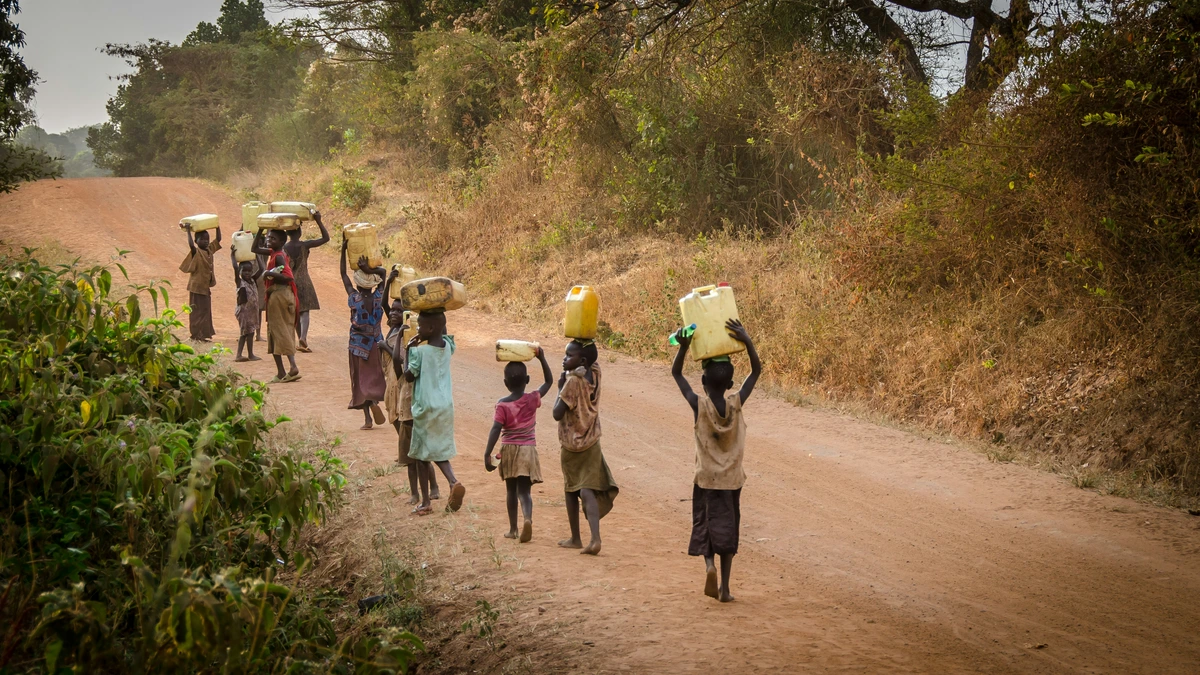
The National Commission for Nomadic Education (NCNE) has raised concern over the large number of nomadic children who remain excluded from formal education across Nigeria.
According to the commission, about 5.2 million children from nomadic communities are currently shut out of the formal education system, highlighting the scale of the country’s continuing education challenge.
The development has renewed calls for stronger efforts to provide flexible and accessible learning opportunities for children whose families move from one location to another in search of pasture and other means of livelihood.
Nomadic communities often face unique barriers to conventional schooling because of their mobile lifestyle. Children may move with their families from one area to another, making it difficult for them to attend fixed-location schools consistently.
The challenge is further complicated by inadequate educational infrastructure in some rural communities, limited access to qualified teachers and insecurity in parts of the country.
Nigeria has previously established programmes aimed at providing education to nomadic populations. However, the latest figure cited by the NCNE indicates that significant gaps remain.
The commission’s concern comes amid Nigeria’s wider out-of-school children crisis. UNICEF says millions of Nigerian children remain outside the formal education system, with poverty, insecurity, geographical barriers and socio-cultural factors among the challenges affecting school attendance.
For children in nomadic communities, these difficulties can be particularly severe because conventional schools are generally designed around settled communities.
Education stakeholders have therefore advocated flexible approaches that can accommodate the circumstances of nomadic families while ensuring that children receive basic literacy, numeracy and other essential skills.
Such interventions could include mobile learning programmes, flexible school schedules, community-based education centres and stronger integration between formal education and existing systems serving nomadic communities.
The issue is important because prolonged exclusion from education can have consequences beyond childhood. Children without access to basic education may face greater difficulties developing the skills required to participate fully in the economy as adults.
Education is also considered an important tool for improving social inclusion and expanding opportunities for young people.
The NCNE’s reported figure therefore highlights the need for sustained investment in education programmes designed specifically for nomadic populations.
Government authorities at both federal and state levels will need to work with local communities and education stakeholders to identify practical ways of ensuring that children are not left behind because of their families’ lifestyle or location.
Security is another important consideration. In areas affected by conflict and insecurity, access to schools has been disrupted for millions of Nigerian children. UNICEF notes that educational deprivation is particularly severe in northern Nigeria.
Ensuring safe learning environments will therefore remain essential to any effort to expand education among vulnerable and mobile communities.
The reported 5.2 million figure also adds urgency to Nigeria’s efforts to improve its education system and reduce the number of children who remain outside school.
As the country continues to pursue broader education reforms, stakeholders are expected to intensify discussions on how to reach children in remote and nomadic communities.
The NCNE’s concerns serve as a reminder that expanding access to education requires approaches that take into account the different circumstances of Nigerian children.
Providing nomadic children with consistent access to quality education could contribute to improved literacy, stronger economic opportunities and greater social inclusion across the country.