

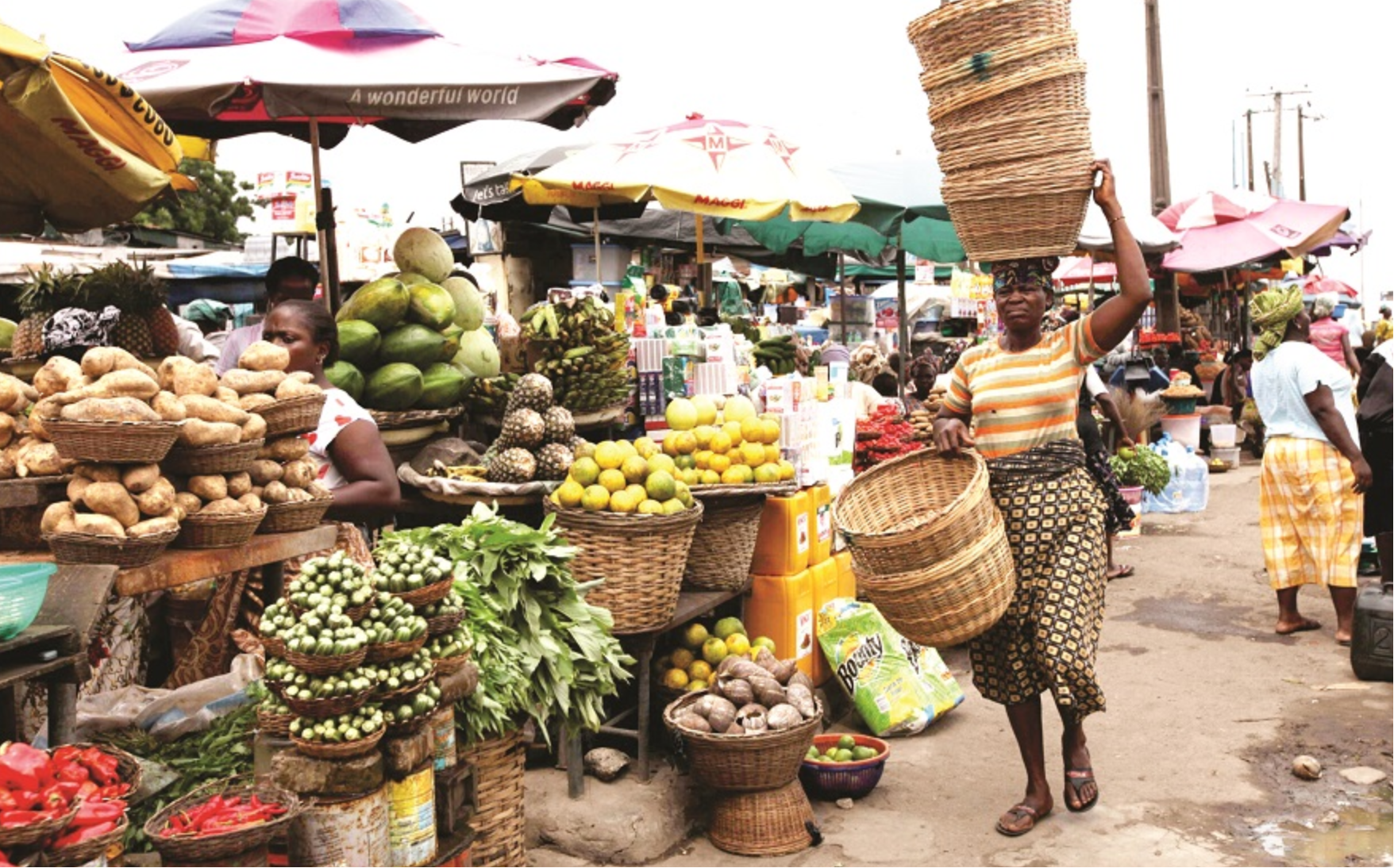
Nigeria’s food inflation rate rose sharply to 20.31% year-on-year in July 2026, marking its highest level since September 2025, despite a decline in the country’s overall headline inflation.
The latest figure was contained in the Consumer Price Index (CPI) report released by the National Bureau of Statistics (NBS). The data showed that food inflation increased significantly from 17.52% in June 2026, reflecting renewed pressure on the prices of food items across the country.
On a month-on-month basis, food inflation climbed to 5.56% in July, up from 3.75% in June. The increase was attributed to rising average prices of several food items, including crayfish, fresh pepper, onions, carrots, rice, water yam, tomatoes, garri, plantain, beef and eggs.
The latest development comes despite a decline in Nigeria’s headline inflation, which fell from 15.91% in June to 15.43% in July 2026. This indicates that while the overall pace of price increases moderated, food prices continued to put pressure on households.
Food inflation had previously fallen significantly after reaching 20.16% in September 2025, dropping to 8.89% in January 2026. However, the rate began rising again from February, reaching 12.21% before climbing steadily through the following months.
The renewed increase in food prices comes amid continued government efforts to address Nigeria’s cost-of-living pressures, including measures aimed at reducing import duties on essential goods and improving access to food.
The latest figures highlight the continuing challenge of food affordability for Nigerian households, even as the broader inflation rate shows signs of moderation.