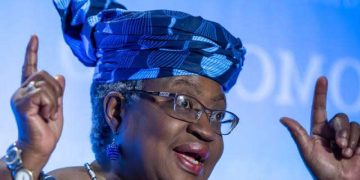


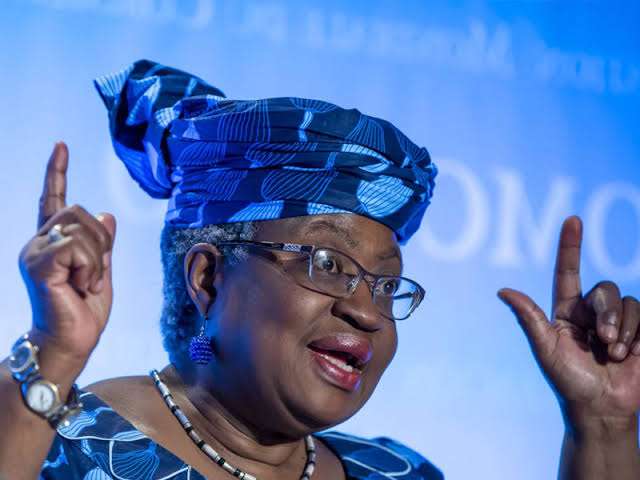
The Director-General of the World Trade Organisation (WTO), Dr Ngozi Okonjo-Iweala, has called for major improvements in Nigeria’s ports and critical infrastructure, saying efficient transport systems are essential to reducing business costs and strengthening the country’s position in global trade.
Okonjo-Iweala made the call while delivering a keynote address at the 2026 Delta State Economic and Investment Summit in Asaba. She stressed that Nigeria must prioritise infrastructure development, effective execution and proper maintenance to unlock its economic potential and attract more investments.
The former Minister of Finance noted that improved ports, digital infrastructure and lower trade costs would help Nigerian businesses compete better internationally. She explained that modern and efficient port systems are important for facilitating exports, supporting industries and creating a favourable environment for investors.
She also highlighted the importance of a stronger maintenance culture, warning that investments in infrastructure would not deliver maximum benefits without proper management and preservation. According to her, building new projects alone is not enough if existing facilities are allowed to deteriorate.
The WTO chief said Nigeria has significant economic potential but must focus on policies and actions that improve productivity and reduce obstacles facing businesses. She encouraged governments at all levels to ensure that infrastructure projects are properly planned, executed and maintained.
Her comments come amid ongoing efforts by authorities to improve Nigeria’s maritime sector and modernise port operations. The Federal Government has continued to promote reforms aimed at improving cargo handling, digitalising port processes and enhancing efficiency at major seaports.
Stakeholders in the maritime and business sectors have long identified inefficient port operations, logistics challenges and high transportation costs as factors affecting Nigeria’s competitiveness. They argue that upgrading port facilities and improving connectivity with roads and rail networks would support trade growth and economic expansion.
Economic analysts say Nigeria’s ports play a critical role in the country’s participation in international commerce. They noted that faster cargo clearance, improved technology and better infrastructure could reduce the cost of importing raw materials and exporting locally produced goods.
Okonjo-Iweala further urged policymakers to focus on practical solutions that would support businesses and strengthen Nigeria’s role in global supply chains. She emphasised that successful development requires commitment, prioritisation and effective implementation of economic plans.
The Federal Government has also stated that port reforms remain part of efforts to position Nigeria as a major maritime and logistics hub in West and Central Africa. Recent initiatives include infrastructure upgrades, digital transformation and measures aimed at improving trade facilitation.
Observers believe the recommendations from the WTO director-general highlight the need for continuous investment in infrastructure as Nigeria seeks stronger economic growth. They noted that improving ports would not only benefit businesses but also create opportunities for employment and industrial development.
As Nigeria continues efforts to expand its economy and attract investment, experts say efficient infrastructure, good governance and sustainable maintenance practices will remain key factors in achieving long-term competitiveness.
Okonjo-Iweala’s remarks have renewed calls for faster reforms in the transport and logistics sectors, with stakeholders urging authorities to translate policy commitments into visible improvements that can benefit businesses and citizens.