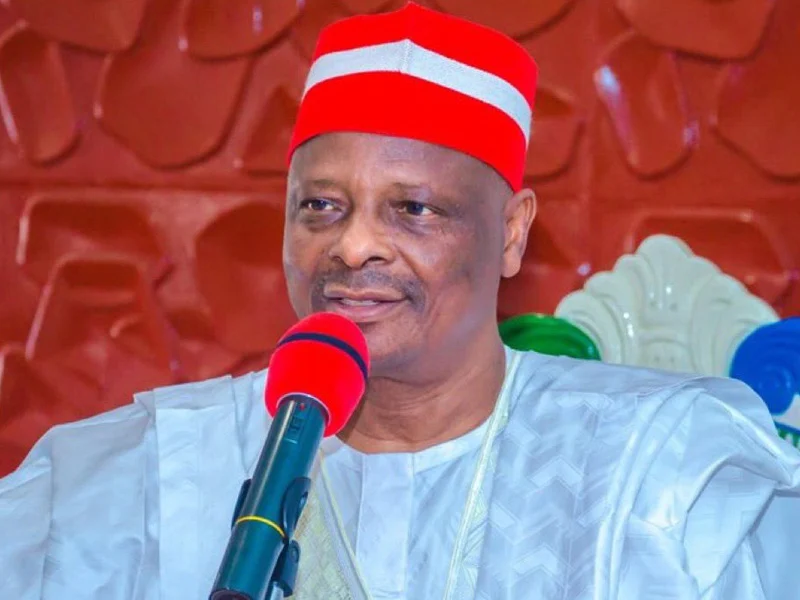
Rabiu Kwankwaso, the vice-presidential candidate of the Nigeria Democratic Congress (NDC) alongside presidential candidate Peter Obi, has stated that their proposed administration would consider engaging with terrorists and other criminal groups as part of efforts to address Nigeria’s security challenges if elected in 2027.
Kwankwaso said dialogue would be among the measures his government would explore to reduce violent attacks and encourage individuals involved in criminal activities to abandon actions that threaten lives and property across the country.
He made the remarks during an interview on Channels Television on Monday, where he discussed the possible strategies his administration would adopt to confront the nation’s worsening insecurity.
The former Kano State governor said communities affected by violence often possess valuable information about those responsible for attacks in their areas. According to him, residents in many troubled locations are usually aware of the identities and movements of individuals involved in criminal activities.
However, Kwankwaso noted that many residents choose not to provide such information to security authorities because of fear and previous experiences where those who offered assistance allegedly did not receive adequate protection.
He explained that people living in areas affected by insecurity often know the names, hideouts, and activities of those causing unrest but hesitate to report them because they lack confidence in the security system.
Kwankwaso said some communities have become unwilling to cooperate with security agencies because earlier attempts to share information did not produce positive outcomes or expose them to additional risks.
He said one of the priorities of his administration would be to restore confidence and strengthen the relationship between local communities and security institutions.
According to him, rebuilding trust would require creating an environment where citizens feel safe enough to provide useful intelligence without fear of retaliation.
Kwankwaso added that his government would focus on engaging various groups involved in violence, including terrorists and other criminals, in an effort to understand the factors behind their actions and encourage them to stop attacking innocent people.
He explained that the goal of such engagement would be to discourage further criminal activities and explore possible ways of convincing those involved to abandon violence.
When asked whether his administration would be willing to communicate directly with terrorists, Kwankwaso responded that his government would be prepared to speak with all parties as part of a broader effort to achieve peace.
He stressed, however, that pursuing dialogue would not mean abandoning the use of force when necessary.
The former defence ministerial hopeful said security agencies, including the military, would still be deployed whenever situations require stronger intervention to protect citizens and maintain national security.
Kwankwaso maintained that tackling insecurity would require a combination of approaches, including intelligence gathering, community cooperation, dialogue, and decisive action by security forces where needed.
He said his administration would pursue every possible avenue to restore safety across Nigeria while ensuring that citizens regain confidence in the ability of government institutions to protect them.