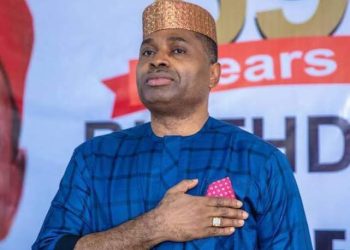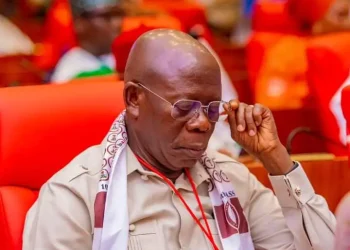



A prominent member of the All Progressives Congress (APC) and former aspirant for the Ekiti North Senatorial ticket, Senator Ayodele Arise, has criticised the party’s recently concluded primary election, describing the exercise as lacking credibility and falling short of democratic expectations.
Speaking with journalists in Abuja, Arise challenged the legitimacy of the process that produced the incumbent senator representing Ekiti North, Senator Cyril Fasuyi, as the declared winner. According to him, the conduct of the exercise reflected deeper concerns about fairness and transparency within the party.
His position aligns with complaints earlier raised by other aspirants in the race, including Dipo Bamisaye and Dare Owolabi, who also rejected the outcome and alleged that the process was manipulated.
Arise, who previously served as senator for the district from 2007 to 2011, argued that internal democracy remains a significant weakness in political parties despite constitutional provisions and established electoral guidelines.
He explained that although democratic structures exist on paper, implementation often differs in practice because individuals find ways to bypass laid-down procedures. According to him, his participation in the contest was partly motivated by a desire to expose these shortcomings and highlight issues requiring urgent attention.
The former lawmaker stated that public figures have a responsibility to speak up against practices that undermine democratic values, adding that silence would amount to accepting flawed systems.
While expressing dissatisfaction over the conduct of the primary, Arise noted that he would not dwell excessively on the experience because he believes ongoing consultations within the party leadership may lead to corrective action. He expressed optimism that those responsible for reviewing complaints would objectively examine all submissions and ensure deserving candidates receive fair consideration.
He further revealed that he had formally presented evidence to the appeal committee established by the APC National Working Committee and remains hopeful that the panel would act independently and deliver a fair outcome.
According to Arise, strengthening internal democracy requires clear operational rules and a political culture that allows party members and voters to influence leadership choices instead of concentrating decision-making in the hands of a few individuals.
He stressed that democratic representation should reflect the preferences of citizens and party members rather than personal influence or power structures.
Although critical of current practices, Arise acknowledged that Nigeria’s electoral process has evolved over the years and credited reform efforts that have improved aspects of election administration. He maintained that continuous adjustments are necessary whenever shortcomings become evident.
He also expressed confidence that the country’s leadership recognises these concerns and would continue introducing measures to improve political participation and institutional accountability.
Addressing what he described as another major challenge, Arise pointed to the influence of sitting governors in determining party outcomes, especially in contests for legislative seats.
He argued that candidates who lack the backing of governors often face major obstacles regardless of public support. In his view, political office has increasingly become associated with access to wealth and influence, creating unequal competition.
He concluded that reducing excessive political influence and promoting accountability would strengthen democratic institutions and create a more open political environment.