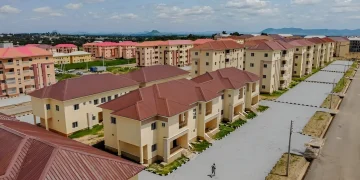


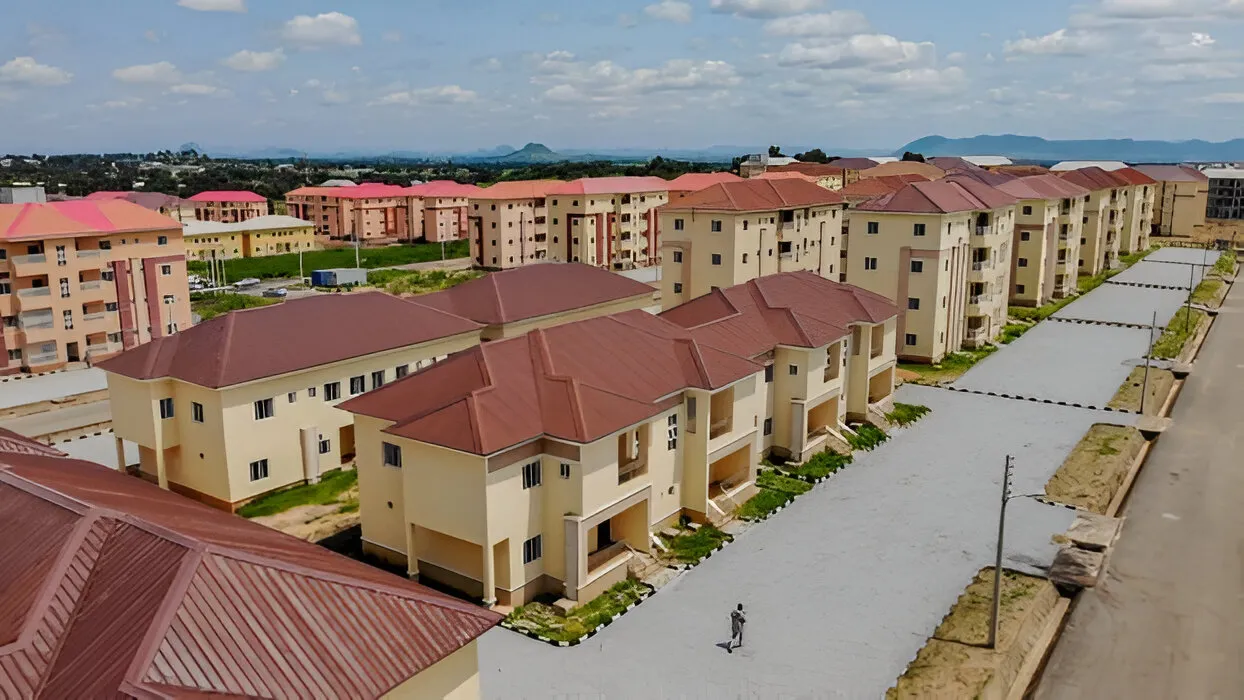
The Nigerian Institute of Quantity Surveyors (NIQS) has raised concerns over the growing impact of corruption on Nigeria’s mortgage system, warning that it is increasingly preventing ordinary citizens from owning homes. Speaking at a press briefing organised by the Lagos Chapter of the institute as part of its golden jubilee celebration, the General Secretary of NIQS, Azeez Ayodabo, urged the Federal Government to urgently reform mortgage policies to improve access and affordability.
Ayodabo explained that the current structure of the mortgage system does not align with the income realities of most Nigerians. He stated that housing schemes must be tailored to different income brackets, rather than promoting one-size-fits-all housing options that are out of reach for low- and mid-level workers. According to him, it is unreasonable to expect civil servants on lower salary grades to afford high-cost housing units such as three-bedroom maisonettes. Instead, housing developments should be categorised into bungalows, flats, terraces, and duplexes, enabling buyers to select units that match their income levels.
He also noted that while long-term mortgage options are available through institutions like the Federal Mortgage Bank of Nigeria, many citizens remain unaware of these opportunities due to limited public sensitisation. However, beyond lack of awareness, Ayodabo said corruption remains a major challenge undermining the mortgage system. He cited instances between 2006 and 2009 when developers who received government-backed housing loans diverted the funds and failed to deliver the promised homes, even though workers had already begun paying through mortgage deductions. This, he said, prompted the government to tighten controls over mortgage disbursements.
Ayodabo stressed that both government officials and private individuals share responsibility for the failure of past mortgage schemes, as some beneficiaries exploited personal connections to unjustly access loans. To restore credibility, he emphasised the need for transparency, accountability, and professional oversight in housing delivery.
Highlighting the role of quantity surveyors in ensuring accountability, Ayodabo explained that many construction projects suffer cost overruns and quality compromises because quantity surveyors are often engaged only to prepare the Bill of Quantities, then excluded from later stages. Quantity surveyors, he said, are central to cost control, quality assurance, and preventing the use of substandard materials. Their involvement ensures that contractors comply with specifications, which can prevent structural failures and wastage.
The Chairman of the Lagos Chapter, Rilwan Balogun, also underscored the importance of involving quantity surveyors in major infrastructure projects beyond conventional building construction. He noted that broader engagement of QS professionals can help enhance transparency, improve value for money, and limit excessive variations in project costs. He pointed to controversies such as the Lagos ,Calabar Coastal Highway as examples of what happens when QS expertise is not integrated from the planning stage.
Balogun added that globally, the Bill of Quantities is recognised as the standard cost document, unlike the Bill of Mechanical and Electrical used locally, which he said often lacks the detail needed for accurate cost control.
Deputy Chairman Femi Falusi observed that technological advancements have led to non-professionals encroaching on QS roles by using cost estimation software. He emphasised that while technology is useful, it cannot replace the technical judgment and professional integrity required to safeguard project quality and financial accountability.



**back biome official**
Mitolyn is a carefully developed, plant-based formula created to help support metabolic efficiency and encourage healthy, lasting weight management.