

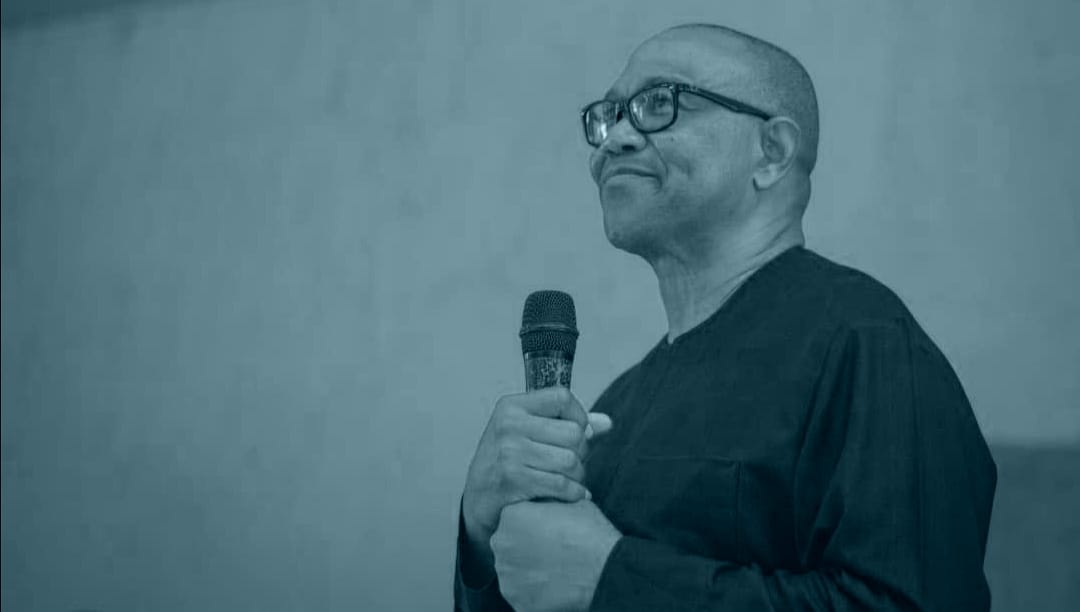
ACCRA, Ghana – September 17, 2025 – Peter Obi, Nigeria’s former presidential candidate and prominent political figure, delivered a stark assessment of his country’s democratic health during an international conference in Ghana’s capital yesterday.
Speaking at the 2025 Goodluck Jonathan Foundation Annual Democracy Dialogue, which focused on the theme “What Makes Democracy Die?”, Obi painted a troubling picture of Nigeria’s current political landscape and warned that the nation’s democracy is in critical decline.
Obi outlined what he considers the fundamental pillars of democratic governance: accountability to citizens, prioritizing public service, ensuring national security, providing quality education and healthcare, and implementing poverty reduction measures. According to the political leader, Nigeria’s current system has abandoned these core principles.
“Democracy dies when it ceases to be accountable to the people and when it no longer prioritises their needs,” Obi stated during his address to the international audience gathered in Accra.
The former Anambra State Governor was particularly critical of what he described as the transformation of Nigerian democracy into a tool for “elite state capture.” He argued that the democratic process has been corrupted to serve the personal and family interests of a privileged few rather than the broader Nigerian population.
This shift, Obi contended, has fundamentally altered the nature of political participation in Nigeria, turning what should be a system of public service into a mechanism for accessing public resources for private gain.
Despite his grim assessment, Obi offered a path forward for Nigeria’s democratic revival. He emphasized the critical importance of electoral integrity and citizen engagement, calling on Nigerians to become more discerning in their electoral choices.
The political leader outlined five key criteria that voters should demand from their representatives: competence, capacity, character, compassion, and commitment to service. He argued that applying these standards rigorously could help restore democratic accountability and effectiveness.
Concluding his remarks on an optimistic note, Obi expressed his belief in Nigeria’s potential for democratic renewal, stating simply: “A new Nigeria is possible.”
The conference, organized by the foundation bearing the name of former Nigerian President Goodluck Jonathan, brought together political leaders, scholars, and civil society representatives from across Africa and beyond to examine threats to democratic governance in the region.
Obi’s participation in the dialogue reflects his continued engagement with continental discussions about democratic governance, even as Nigeria grapples with various political and economic challenges that have tested the resilience of its democratic institutions since the return to civilian rule in 1999.