Nigeria faces a daunting infrastructure challenge, (AfDB) with the African Development Bank estimating that the country requires around $100 billion annually to bridge its gaps. This figure reflects not only the financial scale of the problem but also the extent to which inadequate infrastructure is holding back inclusive growth, productivity, and long-term development.
The deficit is felt daily in the lives of citizens. Farmers struggle to move produce to markets because of broken roads, while frequent power shortages hinder small businesses. Inadequate water systems expose communities to health risks, and unreliable public services weaken social wellbeing. In rural areas, the absence of essential infrastructure deepens poverty, while in urban centres, congestion and decay stifle productivity and limit opportunities. The result is higher costs of goods, low investor confidence, and a generation growing up without the support needed to innovate and thrive.
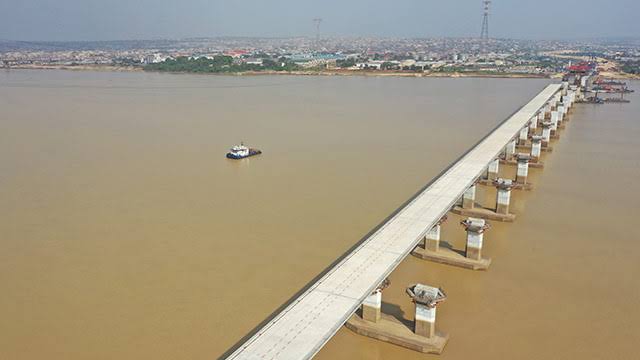
Although previous administrations, particularly under former President Muhammadu Buhari, invested in infrastructure reviving sections of the railway network, commissioning the Second Niger Bridge, and expanding power projects the gap remains wide. Sustained action and sharper accountability are required to turn infrastructure into a driver of growth rather than a persistent bottleneck.
Roads remain one of Nigeria’s weakest links. Of the country’s 195,000 kilometres of roadways, more than half are classified as poor, according to the Federal Ministry of Works. Over 70 per cent of these roads are in bad condition, undermining their role as the backbone of national trade and mobility. This deterioration increases transportation costs, delays the delivery of goods, and cuts off rural farmers from potential buyers. Instead of driving integration and efficiency, the road network has become a drag on economic inclusion.
The 2024 Infrastructure Industry Report by Agusto & Co. projects that Nigeria’s infrastructure deficit could hit $878 billion by 2040. The nation’s infrastructure stock currently accounts for only 30 per cent of GDP, far below the World Bank benchmark of 70 per cent. On the African Development Bank’s Infrastructure Development Index, Nigeria trails 23 other African nations, further highlighting the depth of the problem.
Reform efforts, such as the National Integrated Infrastructure Master Plan and the Highway Development Management Initiative, have yet to deliver transformative results. Only 30 per cent of Nigeria’s 200,000 road network is paved, and the railway system undermined by vandalism, poor maintenance, and underfunding contributes less than one per cent to GDP.
Global rankings paint an equally troubling picture. In the IMD World Competitiveness Ranking 2024, Nigeria placed 64th out of 67 countries, scoring just 23.71 out of 100 in infrastructure. Key weaknesses include unstable electricity, weak transport systems, limited broadband penetration, and inadequate healthcare and education facilities. The report also ranked Nigeria 66th in both economic performance and infrastructure, 54th in government efficiency, and 58th in business efficiency. On pricing, health, environment, and education, Nigeria came last, trailing even smaller African peers like Ghana.
The message is clear: Nigeria’s infrastructure shortfall is more than a statistic it is a binding constraint on its future. Bridging the gap demands urgency, transparency, and bold investment, turning infrastructure from a barrier into the backbone of inclusive growth and competitiveness.