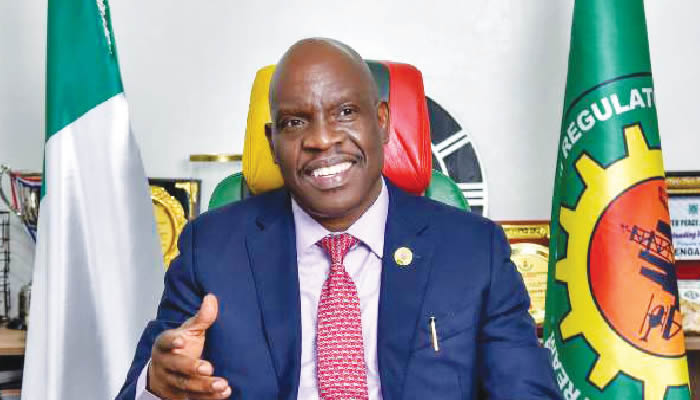
(NUPRC ) in a significant step to drive investment and efficiency in Nigeria’s oil and gas upstream sector, the Federal Government has gazetted 21 new regulations under the Petroleum Industry Act (PIA) 2021. This development was announced by the Commission Chief Executive of the Nigerian Upstream Petroleum Regulatory Commission (NUPRC), Gbenga Komolafe, during the 48th edition of the Society of Petroleum Engineers (SPE) Nigeria Annual International Conference and Exhibition in Lagos.
According to Komolafe, the newly gazetted regulations are aimed at unlocking fresh investments, enhancing operational transparency, and aligning Nigeria’s oil and gas industry with both national development goals and global energy standards. He noted that these frameworks were developed in line with the PIA 2021 to provide clarity, reduce administrative bottlenecks, and foster accountability across exploration and production activities.
“Since the enactment of the PIA, the commission has so far gazetted 21 key regulations, with more at various stages of development. These regulations provide the clarity required to support investment, streamline administration, and align upstream operations with both national and global priorities,” Komolafe said.
Among the prominent regulations introduced are the Upstream Petroleum Measurement Regulations, which ensure accurate production tracking through advanced technology, thereby promoting transparency and accountability. Another notable addition is the Gas Flaring, Venting and Methane Emissions Regulations, which are geared towards reducing harmful emissions and enforcing the sector’s decarbonisation agenda.
Other critical regulations include the Host Community Development Regulations, which seek to improve relations with oil-producing communities and ensure sustainable development; the Domestic Gas Delivery Obligation Regulations, which ensure adequate gas supply to the local market; the Upstream Petroleum Safety Regulations, designed to enhance operational safety; and the Decommissioning and Abandonment Regulations, which provide guidance on responsible asset retirement.
Komolafe emphasized that NUPRC is shifting from being a purely compliance-driven body to one that enables innovation and long-term value creation in the sector. “These instruments demonstrate our commitment to creating a regulatory environment that fosters innovation, secures long-term value, and ensures the responsible stewardship of Nigeria’s upstream resources,” he stated.
He further revealed that the commission is currently implementing a seven-pillar Decarbonisation and Sustainability Blueprint, which underscores its commitment to environmental responsibility. He also noted a recent peak in Nigeria’s crude oil production, reaching 1.8 million barrels per day, as a sign of progress.
Calling for collaboration, Komolafe urged all industry operators and stakeholders to actively engage with the new regulations and align their operations with the commission’s drive for a more efficient, transparent, and globally competitive petroleum sector.
In her welcome remarks, Chairperson of the SPE Nigeria Council, Amina Danmaladi, encouraged participants to take full advantage of the conference’s offerings. She also announced that the 2026 edition of the SPE Nigeria Annual International Conference and Exhibition will begin on August 3, 2026, with the theme: “Thriving in the Evolving Global Energy Landscape: Collaborating Growth and Resilience.