

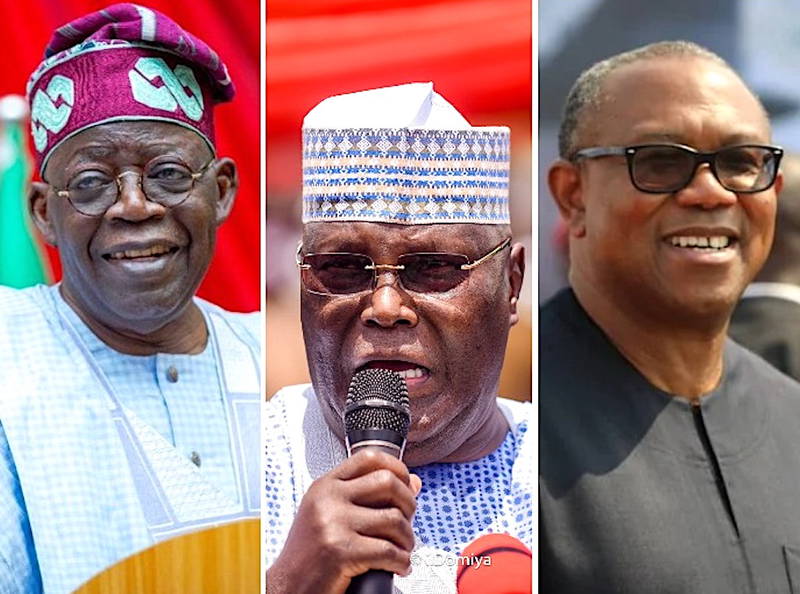
Opposition political leaders are facing growing divisions over plans to present a single presidential candidate against President Bola Tinubu in the 2027 general election, as supporters of former Vice President Atiku Abubakar and former Anambra State Governor Peter Obi continue to push competing political interests.
The disagreements have complicated efforts by the G100 coalition, convened by former All Progressives Congress (APC) National Vice Chairman, Salihu Lukman, to unite opposition parties behind a consensus candidate.
The coalition is reportedly considering five political parties: the African Democratic Congress (ADC), Nigeria Democratic Congress (NDC), Allied Peoples Movement (APM), Social Democratic Party (SDP) and Peoples Redemption Party (PRP).
However, some presidential aspirants remain reluctant to abandon their ambitions, insisting that they have the political support and capacity to challenge the incumbent president independently.
Among those maintaining their presidential ambitions are Oyo State Governor Seyi Makinde, who is associated with the APM, and SDP candidate Adewole Adebayo. Both politicians have argued that excluding them from the race could weaken the opposition’s chances and benefit the ruling APC.
Meanwhile, former Minister of Transportation Rotimi Amaechi has backed an Atiku-led ticket, arguing that the former vice president has a stronger electoral advantage and broader geographical appeal. In contrast, political economist and coalition advocate Pat Utomi has insisted on an Obi-Kwankwaso ticket under the NDC.
Lukman has acknowledged that a lack of trust among opposition leaders remains a major obstacle to the proposed alliance. He warned that the inability of political parties to resolve their differences could undermine efforts to produce a single candidate capable of challenging Tinubu.
He also urged opposition leaders to look beyond personal ambitions and consider the consequences of splitting their votes across multiple candidates.
The disagreements have also extended to Atiku’s camp and supporters of Rabiu Kwankwaso, who is backing Obi’s presidential ambition under the NDC. Kwankwaso has ruled out withdrawing from the race in favour of Atiku and criticised the former vice president’s ability to provide the leadership Nigeria needs.
In response, the ADC Presidential Campaign Council accused Kwankwaso of directing too much criticism at Atiku instead of holding the Tinubu administration accountable for economic hardship, insecurity and declining living standards.
Kwankwaso rejected the allegations, insisting that his alliance with Obi remained committed to challenging the APC in 2027. He also dismissed claims that the NDC ticket would eventually step aside for another opposition candidate.
Separately, Mark Adebayo, a communications adviser to the Adewole Adebayo-Bugaje presidential campaign, argued that discussions about a unified opposition ticket began too late. He said the parties should have started building the necessary political structures several years earlier to improve their chances of defeating Tinubu.
Despite the disagreements, coalition leaders maintain that a common opposition candidate remains possible. However, the growing divisions over candidate selection, party interests and political trust continue to pose significant challenges to the plan ahead of the 2027 presidential election.