

The Obidient Movement has rejected the Independent National Electoral Commission’s (INEC) plan to deploy Artificial Intelligence (AI) tools in the conduct and management of the 2027 general elections.
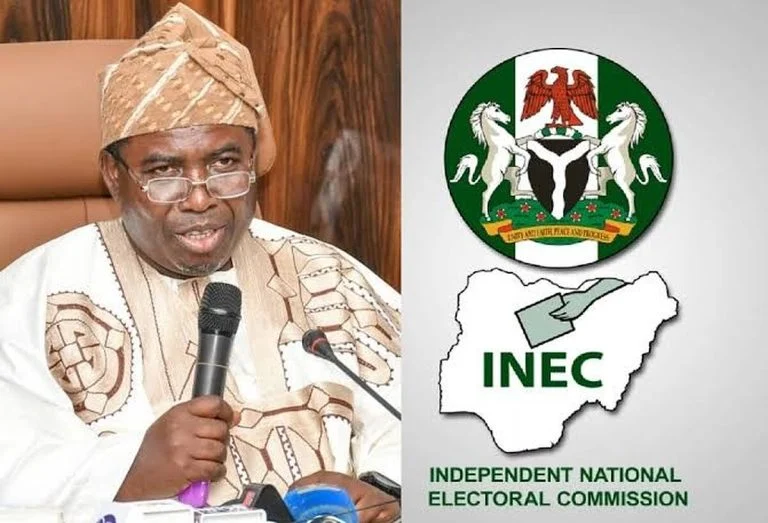
The National Coordinator of the movement, Yunusa Tanko, stated this in Abuja while reacting to recent disclosures by INEC Chairman, Prof. Joash Amupitan, that the commission had commenced the deployment of AI tools to assist officials in detecting discrepancies and administrative errors in election results.
Tanko argued that INEC should first address concerns surrounding electoral transparency, result transmission and public confidence in the electoral process before introducing additional technology.
Obidient Movement Demands Clarity on AI Use
The movement said Nigerians deserved to know precisely how AI would be used in the 2027 elections, the problems the technology was intended to address and the safeguards that would be put in place to prevent abuse or manipulation.
Tanko said the movement rejected the proposed deployment, arguing that questions surrounding existing electoral technologies had not been sufficiently addressed.
“The same INEC that has failed to address the most basic issues surrounding electoral transparency, result transmission and the credibility of its processes is now announcing plans to deploy Artificial Intelligence in the 2027 elections.”
He added that INEC had yet to adequately explain how the proposed technology would operate and what mechanisms would be established to ensure its reliability and accountability.
Concerns Over AI-Generated Disinformation
INEC has also been examining the risks posed by AI-generated disinformation ahead of the 2027 elections.
Advances in generative AI have made it possible to produce fabricated result sheets, cloned voices, manipulated videos and forged official documents that can appear authentic.
Amupitan has described AI-driven disinformation as a serious threat to the electoral process, warning that convincing fabricated materials could create confusion and undermine public confidence in genuine electoral information.
The commission is therefore considering both the potential uses of AI in election administration and the risks associated with its misuse.
2023 Election Technology Still Under Scrutiny
Tanko also raised concerns about the experience of the 2023 general elections, particularly the operation of INEC’s Result Viewing Portal, IReV, and the electronic uploading of polling-unit results.
He referred to an investigation by Mundx Analytics, which examined metadata associated with presidential result sheets uploaded to the IReV platform.
According to the investigation cited by Tanko, more than 50,000 presidential result sheets appeared to have been uploaded using private phones. The review reportedly identified more than 800 phone models and found that a significant proportion of tagged uploads were not from BVAS devices.
The findings, as presented by the movement, should be clarified by INEC before the commission introduces additional technology into the electoral process.
Tanko argued that the adoption of new technology should be accompanied by transparent procedures and systems that can be independently verified.
“Introducing AI into a system that has yet to account for its existing failures is not electoral reform. It is an attempt to distract Nigerians from the fundamental questions of institutional independence, transparency and accountability.”
Group Calls for Independent Audit of Electoral Technology
The Obidient Movement called on INEC to publish its comprehensive plan for the 2027 elections, including details of the technologies it intends to deploy and the procedures governing their use.
It also demanded an independent audit of INEC’s electoral technology systems.
According to the movement, the findings of such an audit should be made public, including any weaknesses identified and the measures taken to address them.
Tanko further called for a result-transmission system that could be independently verified at every stage of the electoral process.
He said results recorded at polling units should be accurately reflected in the final figures declared by the commission.
The movement also called for independent testing of any proposed AI system before it is deployed during the 2027 general elections.
Tanko said the INEC chairman still had time to address the concerns raised by the movement and other Nigerians ahead of the polls.
“The INEC Chairman, Mr Josh Amupitan, still has enough time to retrace his steps before it is too late. The people’s mandate is not negotiable,” Tanko said.