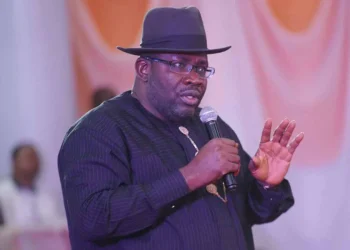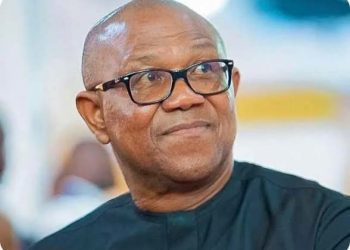


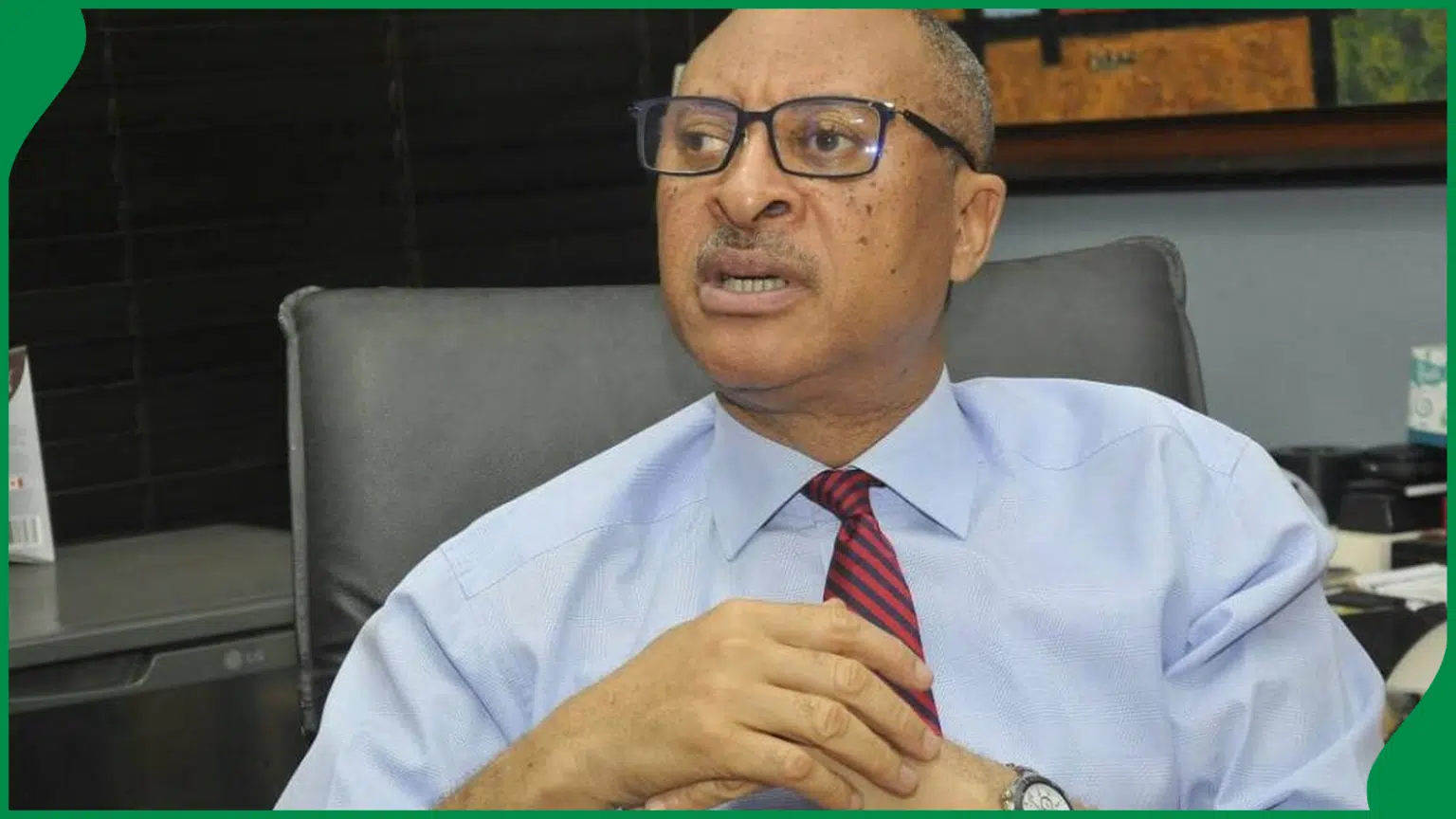
Professor Pat Utomi of the Movement for Credible Elections has called for a technology-based approach to conducting elections in Nigeria, warning that Nigerians may be compelled to defend the electoral process themselves if transparency is not guaranteed by the Independent National Electoral Commission (INEC).
Speaking on Arise News on Tuesday, the political economist said the country needed to embrace digital tools capable of making activities at polling centres more open to public scrutiny.
Utomi questioned the rationale behind any restriction on voters, journalists or observers who wish to use electronic devices to record events during elections.
He argued that allowing people to livestream voting and counting would create independent evidence of what takes place at polling stations and strengthen confidence in the electoral process.
The professor said the responsibility for monitoring elections should not rest entirely on political party representatives, noting that parties may not have enough personnel to cover every polling unit across the country.
He explained that where a party is unable to provide an agent at a particular polling location, the absence of independent monitoring could create room for disputed results.
Utomi proposed the use of body cameras, livestreaming and other digital platforms to enable citizens to follow electoral proceedings as they happen.
He referred to the United Kingdom and the United States as examples of countries where the media plays a significant role in tracking election results, arguing that Nigeria could develop a system that gives citizens similar access to information.
According to him, technology would provide an additional mechanism for checking activities at polling units and could help expose irregularities where they occur.
Utomi also stressed the importance of public participation, saying citizens need to understand that their votes have value and can influence the outcome of elections.
He maintained that greater voter awareness and cooperation among citizens and opposition groups could make it harder for individuals or institutions to interfere with the wishes of the electorate.
The political economist equally condemned the alleged practice of using government resources to finance political campaigns.
Utomi argued that public funds belong to the people and should not be channelled towards the personal political ambitions of individuals seeking elective positions.
He said he would like to see politicians prosecuted and imprisoned in the future for allegedly spending government money on campaigns.
The professor described such conduct as a criminal misuse of resources, adding that politicians without access to public funds would have to develop more creative and legitimate strategies to campaign.
Utomi further argued that the availability of state resources to some political actors could create an uneven playing field during elections.
He therefore called for stronger safeguards to prevent public funds from being diverted into political activities.
Reiterating his position on electoral technology, Utomi said cameras and livestreaming should be available at polling units nationwide.
He warned that if authorities continue to oppose measures designed to make elections more transparent, Nigerians could eventually take greater responsibility for monitoring and protecting the electoral process themselves.