

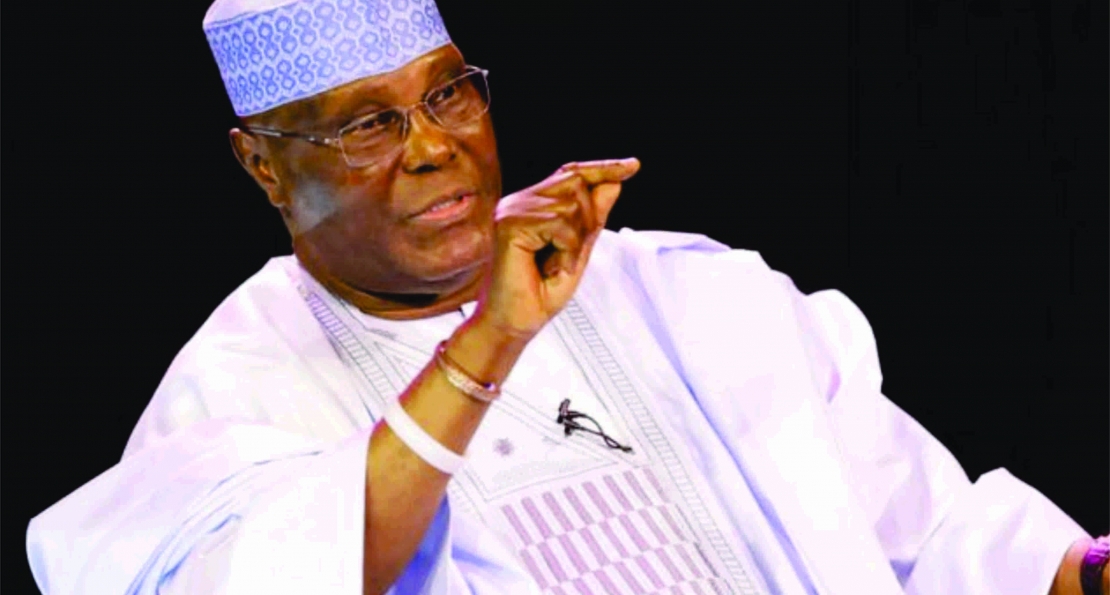
Kenneth Okonkwo, spokesperson for the 2027 presidential campaign of former Vice-President Atiku Abubakar, has defended Atiku’s proposal on petrol pricing, saying the plan is designed to make fuel more affordable for Nigerians rather than return the country to the previous subsidy regime.
Okonkwo made the clarification while reacting to criticism of Atiku’s position on petrol subsidy. Atiku, the presidential candidate of the African Democratic Congress (ADC), had said he would restore petrol subsidy if elected president in 2027.
The proposal has generated political debate, particularly because Atiku had previously supported the removal of petrol subsidy during the 2023 presidential campaign.
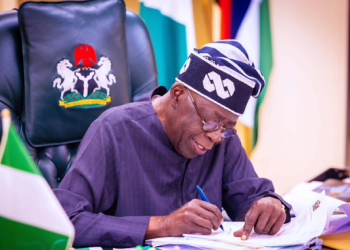
President Bola Ahmed Tinubu criticised the proposal, describing it as evidence of what he considered a misunderstanding of governance and economic management. The President has defended the removal of subsidy as a necessary reform intended to reduce the financial burden on government.
However, Okonkwo argued that Atiku’s current proposal should not be confused with the subsidy arrangement that existed before 2023.
According to him, Atiku’s proposed Atiku Fuel Affordability Plan (AFAP) would focus on reducing the cost of locally refined petrol by ensuring that domestic refineries have access to crude oil at affordable rates.
He said the availability of functioning local refineries has changed the circumstances surrounding petrol production in Nigeria and makes it possible to pursue a different approach to fuel affordability.
Okonkwo maintained that the central objective of the proposal is to reduce the burden of petrol prices on ordinary Nigerians.
He also criticised the economic impact of the removal of petrol subsidy, arguing that higher fuel prices have contributed to increased pressure on households and businesses.
The debate comes as Nigerians continue to face concerns over the cost of transportation, food and other essential goods, with petrol prices remaining an important factor in the cost of living.
Okonkwo argued that reducing the cost of fuel would have wider benefits for the economy because transportation and energy costs affect the prices of goods and services.
He also questioned whether Nigerians have benefited sufficiently from the savings generated by the removal of petrol subsidy.
The Federal Government has maintained that subsidy removal has increased government revenue and created more resources for the federal, state and local governments. Government officials have also argued that the policy was necessary to address long-standing problems associated with petrol subsidies.
The government has further pointed to increased domestic refining capacity as an important development in Nigeria’s petroleum sector.
The disagreement between the Tinubu administration and Atiku’s campaign team has therefore introduced fuel pricing as another major issue in the political debate ahead of the 2027 general elections.
While the Federal Government insists that returning to a subsidy system could place renewed pressure on public finances, Atiku’s camp argues that a different model can make locally refined petrol more affordable.
The issue is expected to remain prominent as presidential candidates present their economic policies to Nigerians ahead of the 2027 election.
For now, the debate centres on how Nigeria can balance affordable fuel prices for citizens with sustainable management of public finances.
Okonkwo maintained that Atiku’s proposal is focused on affordability and should be judged on its ability to reduce the financial burden on Nigerians.