The Southern and Middle Belt Leaders Forum (SMBLF) has renewed its call for Nigeria’s next president to emerge from the southern region, while also demanding urgent security reforms, including the establishment of state police and an end to the reintegration of former terrorists.
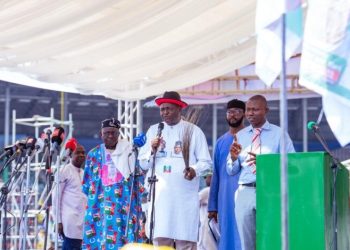
The position was part of resolutions reached at a high-level meeting of the forum, where leaders expressed concern over the country’s worsening security and political direction ahead of the 2027 general elections.
In its communiqué, the group insisted that all political parties should zone their presidential tickets to the South, arguing that such an arrangement is necessary for fairness, equity, and national stability. The forum noted that since the return of democracy in 1999, Nigeria has maintained an informal rotational system, which it believes should be respected to preserve unity.
The leaders warned against any attempt to abandon this arrangement, stating that it could heighten political tension and undermine trust among Nigeria’s diverse regions. They emphasized that after the completion of northern leadership under former President Muhammadu Buhari, the presidency should remain in the South for continuity and balance.
Beyond political demands, the forum raised alarm over the deteriorating security situation across the country. According to the group, a significant portion of Nigeria’s territory is currently under threat, with communities facing frequent attacks and insufficient protection from security forces.
As part of its recommendations, SMBLF called for the immediate establishment of state and community policing structures. The leaders argued that decentralised policing would improve intelligence gathering and enable quicker responses to local security challenges. They stressed that the current centralised system is overstretched and unable to effectively address the scale of insecurity.
The forum also strongly criticised the government’s policy of reintegrating “repentant” or deradicalised terrorists into society. It described the programme as risky and counterproductive, warning that it could embolden criminal elements and endanger communities already affected by violence.
In addition, the group expressed solidarity with communities facing attacks and urged citizens to take lawful steps to defend themselves where necessary. It also announced plans to support the development of practical frameworks for implementing state policing across the country.
On governance and economic matters, the forum reiterated its long-standing call for restructuring, advocating for a system that grants more autonomy to states and regions. It maintained that true federalism remains essential for Nigeria’s long-term stability and development.
Observers note that the renewed demands by SMBLF reflect increasing political positioning ahead of the 2027 elections, as regional groups and stakeholders push for influence in shaping the country’s leadership direction.
As political activities intensify, issues such as zoning, security reforms, and national unity are expected to dominate discussions, with the decisions made in the coming months likely to shape Nigeria’s future political landscape.