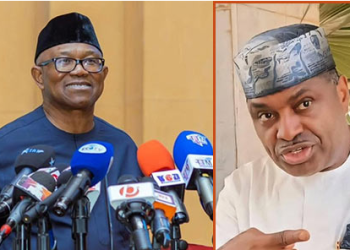
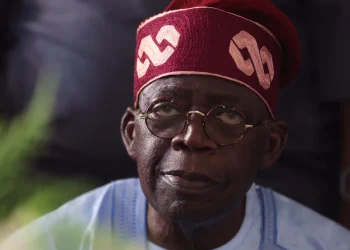
President Bola Ahmed Tinubu met with Governor Abba Kabir Yusuf of Kano State at the Presidential Villa in Abuja on Monday, January 19, 2026, in a highly watched encounter that comes amid swirling speculation over the governor’s possible defection from the New Nigeria Peoples Party (NNPP) to the ruling All Progressives Congress (APC). The meeting has attracted significant political interest, with analysts suggesting it could signal shifts in alliance dynamics ahead of the 2027 general elections.
Governor Yusuf arrived at the Villa in traditional attire — a white babanriga and red cap — shortly before the 4:10 p.m. appointment with the president. His visit takes place against a backdrop of continuing rumours about his potential move to join the APC, a shift that has been postponed several times since January amid unresolved negotiations.
Although neither the presidency nor the Kano State Government has released detailed statements about the content of the discussion, observers note that the timing and visibility of the meeting are politically symbolic. Yusuf’s meeting with Tinubu at a moment of intense speculation suggests a possible attempt to solidify relationships with the federal leadership — even as both sides navigate internal party considerations and broader strategic calculations.
The governor’s potential defection has been a hot topic in political circles, with reports indicating that stalled negotiations with the APC leadership partly stem from disagreements over guarantees for Yusuf’s candidature in the 2027 governorship election. Sources familiar with the situation say the APC has been reluctant to issue automatic ticket assurances, a sticking point that has complicated finalising any agreement.
Political analysts say the meeting could serve multiple functions: reaffirming working relationships with the presidency, clarifying the governor’s political intentions, or even resetting terms for cooperation. They point out that in Nigeria’s fluid political environment, such high-level engagements often reflect strategic manoeuvring rather than final commitments.
Observers also note that part of the wider narrative involves how opposition figures and smaller parties interface with the APC. With the 2027 elections drawing closer, the ruling party has actively positioned itself to attract influential leaders from outside its ranks — a strategy aimed at broadening support and enhancing electoral prospects. Senate President Godswill Akpabio, for instance, has publicly suggested that more opposition governors could be welcome in the APC fold, reflecting a broader appetite within the party to absorb key rivals.
At the same time, commentators emphasise that political realignments like Yusuf’s remain deeply contingent on negotiation outcomes, internal party consent, and broader coalition considerations. Governors contemplating defection often seek assurances about future political opportunities, leadership roles, and legislative support — issues that can delay or complicate otherwise anticipated moves.
While Tinubu’s meeting with Governor Yusuf does not constitute a formal announcement of defection, it has nonetheless heightened attention on the evolving dynamics within Nigeria’s political elite. As political actors continue to reposition ahead of 2027, analysts say such encounters can influence perceptions of strength, unity, and strategic direction — particularly when they involve figures with considerable regional following.
For now, Nigerians and political stakeholders alike will be watching closely for any subsequent statements or developments that might clarify the implications of this high-profile presidential meeting.