

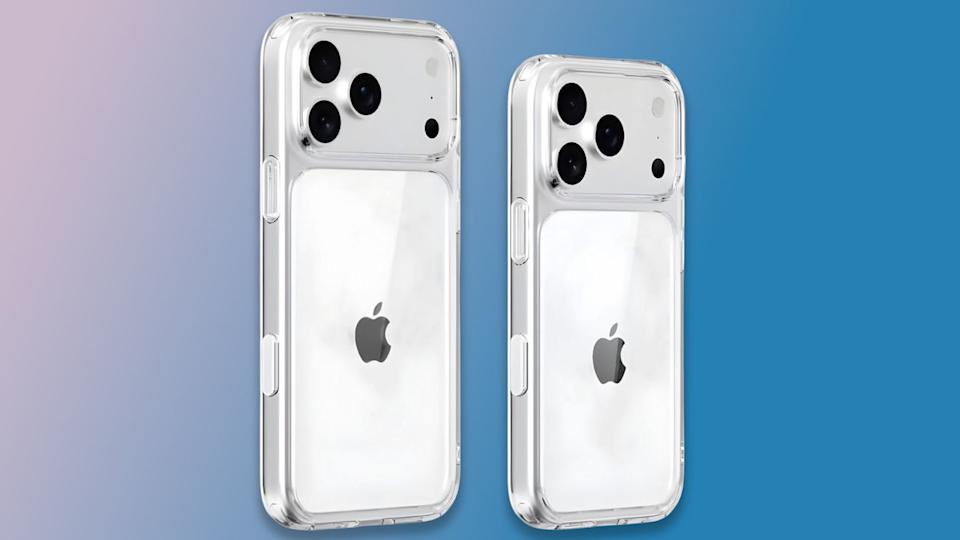
The launch of the iPhone 17 has once again stirred massive excitement among tech enthusiasts and loyal Apple users worldwide. As expected, queues formed outside stores, online platforms experienced traffic surges, and social media buzzed with unboxing videos and first impressions. However, alongside the fanfare, the rush to purchase the latest iPhone is creating a subtle but significant pressure, both socially and financially.
For many, owning the newest iPhone has become more than a matter of convenience or preference—it is a symbol of status. Conversations like the one overheard in a salon, where some ladies said, “If you are not using the latest iPhone 17, then you are still left behind,” capture this sentiment perfectly. Friends, colleagues, and social circles often create an unspoken competition, where not having the latest model may feel like being excluded or outdated. This social pressure can influence people to spend beyond their means, sometimes prioritizing the device over essential expenses. Young professionals and students are particularly susceptible, often dipping into savings or taking loans just to join the hype.
Financially, the iPhone 17 comes with a price tag that is higher than most other smartphones on the market. While it offers cutting-edge technology, improved camera systems, and innovative features, the cost can be a heavy burden. In regions with weaker economies, the temptation to keep up with global trends forces buyers to make sacrifices that affect their long-term financial stability. Credit card debts, installment plans, and personal loans are increasingly becoming common tools to afford this premium device.
Beyond finances, the high demand also generates psychological pressure. People experience anxiety about availability, the fear of missing out (FOMO), and even the stress of making the “right choice” between storage sizes, colors, and features. Social media amplifies this pressure, as posts of early adopters create a sense of urgency and competition.
In conclusion, while the iPhone 17 represents innovation and technological advancement, its release highlights a growing culture of consumer pressure. The excitement of owning the latest gadget is undeniable, but the social and financial strains it brings deserve attention. It raises questions about the balance between desire, status, and practicality in today’s consumer-driven society.