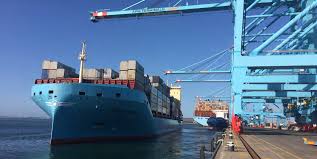


Licensed customs agents have appealed to the Nigeria Customs Service (NCS) to extend the two-week deadline it recently issued for the clearance of over 900 overtime cargoes lying at various terminals in Lagos State. The agents warned that the short timeframe could result in significant losses for importers who are already grappling with financial and operational hurdles.
The NCS had announced a two-week grace period for importers and their agents to clear 905 cargoes currently at Lagos ports, warning that failure to comply would lead to forfeiture of the goods to the Federal Government. At the expiration of the ultimatum, the service said it would begin the process of disposing of the unclaimed containers in line with existing regulations.
But stakeholders in the freight forwarding industry argue that the timeframe is unrealistic, considering the complexities surrounding cargo clearance. Speaking in Lagos, Mr. Abayomi Duyile, a chieftain of the National Council of Managing Directors of Licensed Customs Agents, said the period was too short for importers to mobilize the resources required to clear their goods. “I think the time should be extended so that these importers will not lose their investment,” he said. Duyile also suggested that government could intervene by engaging shipping companies to subsidize demurrage charges, thereby easing the financial strain on importers.
Similarly, Mr. Taiwo Fatobilola, National Public Relations Officer of the Association of Registered Freight Forwarders of Nigeria (AREFFN), highlighted operational challenges at the ports as another obstacle. According to him, persistent network failures make it difficult for agents to process payments or complete clearance within the stipulated period. “If you are giving somebody two weeks, and during that period there is no network to work or to pay, then how do you justify the two weeks you give them?” he asked. Fatobilola further argued that the government should address inefficiencies affecting terminal operators before asking them to lower rental charges, as these operators face heavy overhead costs themselves.
Mr. Stanley Ezenga, a member of the National Association of Government Approved Freight Forwarders (NAGAFF), went further, noting that even a one-year extension might not be sufficient for some importers due to financial constraints. “Some people haven’t come to clear their cargoes because of financial weakness; they lack the financial muscle. So the government should extend it to give room for those who may have the intention to clear but are still looking for money,” he said.
In response, the NCS clarified that the disposal of overtime cargoes is part of its statutory responsibility and follows due legal process. Abdullahi Maiwada, National Public Relations Officer of the service, explained that once cargo remains uncleared for 30 days, it is moved to a zonal office. If clearance still does not occur, the items are transferred to the service’s headquarters, after which they may be condemned by a court of law. “It is a routine activity,” Maiwada said. “When goods remain unclaimed, the law requires us to publish notices in newspapers inviting the owners to clear them within two weeks. If they fail, the cargoes are forfeited.”
While Customs insists the law must take its course, industry stakeholders continue to push for more time, arguing that without an extension, many importers risk losing their investments, thereby compounding the challenges in Nigeria’s already strained trading environment.