


Land prices in Nigeria’s Federal Capital Territory (FCT) are climbing sharply as intensified infrastructure development fuels demand in the property market, according to the 2025 Nigeria Real Estate Report by Ubosi Eleh & Co.
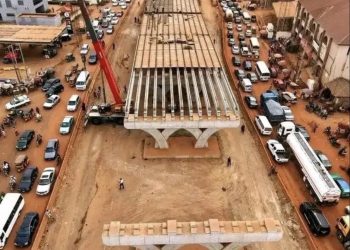
One standout example is Katampe, a rapidly developing district in Abuja. In 2023, a 1,000m² plot sold for around N120 million. By 2024, prices had jumped to N220 million, and projections indicate values could hit N300 million by the end of 2025. The report attributes this surge largely to new infrastructure projects, including a bridge linking Katampe Main to Maitama District, reducing travel time from over 20 minutes via the expressway to just about five minutes.
The improved access is expected to further align Katampe’s property values with those in Maitama, where land already sells for about N1.20 million per square metre. While land allocations by the current FCT minister have been significant, many are in areas lacking infrastructure, which keeps values low. However, in well-serviced or strategically located districts such as Maitama, Asokoro, Wuse, and Garki already fully allocated values remain high.
The report notes that Abuja’s property market reacts quickly to infrastructure speculation. Once the Federal Capital Development Authority (FCDA) begins or even hints at providing infrastructure in a location, prices typically experience sharp increases. Katampe is cited as a prime example of this trend.
Overall, the outlook for Abuja’s residential real estate is strong, with expectations of general increases in both rental yields and capital values. This bullish trend is being driven by improved connectivity, rising demand in prime districts, and investor confidence in the FCT’s development trajectory.
On the commercial side, the Central Business District (CBD), also known as the Central Area, remains home to most of Abuja’s office towers, many of which boast modern designs and quality construction. However, despite its well-planned layout, the CBD faces challenges, including slow uptake of office space and high vacancy rates, a situation linked to Nigeria’s sluggish economic performance in recent years.
As of 2024, commercial rents in the CBD stand at between N50,000 and N70,000 per square metre annually and have remained static. Projections suggest these rates will stay unchanged unless broader economic conditions improve.
The report highlights that smaller office spaces such as units measuring 100m² to 150m² tend to lease faster, particularly to small and medium-sized professional firms. By contrast, large office blocks offering more than 3,000m² of space often struggle to find tenants, partly because landlords are reluctant to subdivide properties due to management complexities.
An oversupply of commercial space, combined with relatively high asking rents compared to other markets, has contributed to prolonged vacancies in parts of the city. Another notable trend in Abuja’s commercial landscape is the frequent conversion of residential properties in areas such as Wuse, Wuye, Gwarimpa, and Apo into commercial use, as businesses seek more affordable and accessible locations outside the CBD.
The report concludes that while commercial real estate faces headwinds, Abuja’s residential sector especially in infrastructure-linked districts appears poised for continued growth in the coming years.


[url=https://xpdeveloper.com/]кракен даркнет ссылка[/url] – кракен онион, кракен darknet