Over 40% of residential properties in Lagos are owned by investors rather than residents,
according to the State of Lagos Housing Market, Volume 3. The report reveals a rising trend in real estate speculation, especially in high-end areas like Ikoyi, Victoria Island, Lekki, and Ikeja, which continue to attract developers and property investors.
This shift highlights the dominance of investor activity in Lagos’ property market amid a
national housing affordability crisis. The Central Bank of Nigeria notes that only about 10%
of Nigerians can afford to buy a home, emphasizing the growing disparity between investor
ownership and actual homeownership by residents.
Many of these investors operate through real estate investment trusts (REITs) and real
estate investment groups, enabling them to acquire rental properties without directly
managing them. These advanced investment tools further reinforce the presence and
influence of investors in Lagos’ housing sector.
The State of Lagos Housing Market, Volume 3 highlights that Lagos’s rental market
continues to attract investors due to strong annual yields ranging between 4.5% and 6%.
These competitive returns make residential properties an appealing investment, further
entrenching the trend of investor-driven ownership across the city.
The report also points out that ocean-view properties in Lagos command significantly higher prices up to 25% more than similar inland homes underscoring the premium placed on coastal locations. Areas like Ibeju, Lekki, and Abijo are particularly sought after, not just for their scenic waterfront views but also for the elevated lifestyle they offer. These
neighbourhoods, known for their coastal charm, naturally boost property values and enhance investor interest, reinforcing the city’s status as a hub for lucrative real estate opportunities.
The State of Lagos Housing Market, Volume 3, reveals that the high prices seen in Lagos’s
coastal areas are largely driven by sustained demand and strong investment prospects.
Over time, strategic locations such as Lekki, Ibeju, and Abijo have witnessed rising property
values, reflecting buyers’ willingness to pay a premium for homes with the potential for high
returns. While not all sources confirm the 25% markup on ocean-view properties, the report affirms that their unique features and desirable settings consistently command higher market prices.
Lagos residential properties are estimated to appreciate annually by 4% to 6%, a trend
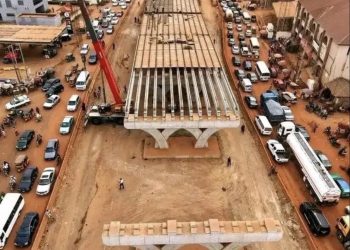
supported by ongoing infrastructure development. Projects like new roads, bridges, and
public facilities are improving access and livability, making certain neighbourhoods
increasingly attractive and driving property values higher.
As a fast-growing metropolis, Lagos continues to draw people seeking better jobs and
improved living standards. This constant influx fuels strong housing demand and contributes to steady appreciation, even in areas where major developments are yet to occur. In fast- developing zones, values can rise by as much as 10% annually, while more established areas typically see growth rates between 3% and 5%.
The report is published by the Roland Igbinoba Real Foundation for Housing and Urban
Development, following previous editions released in 2009 and 2016.