

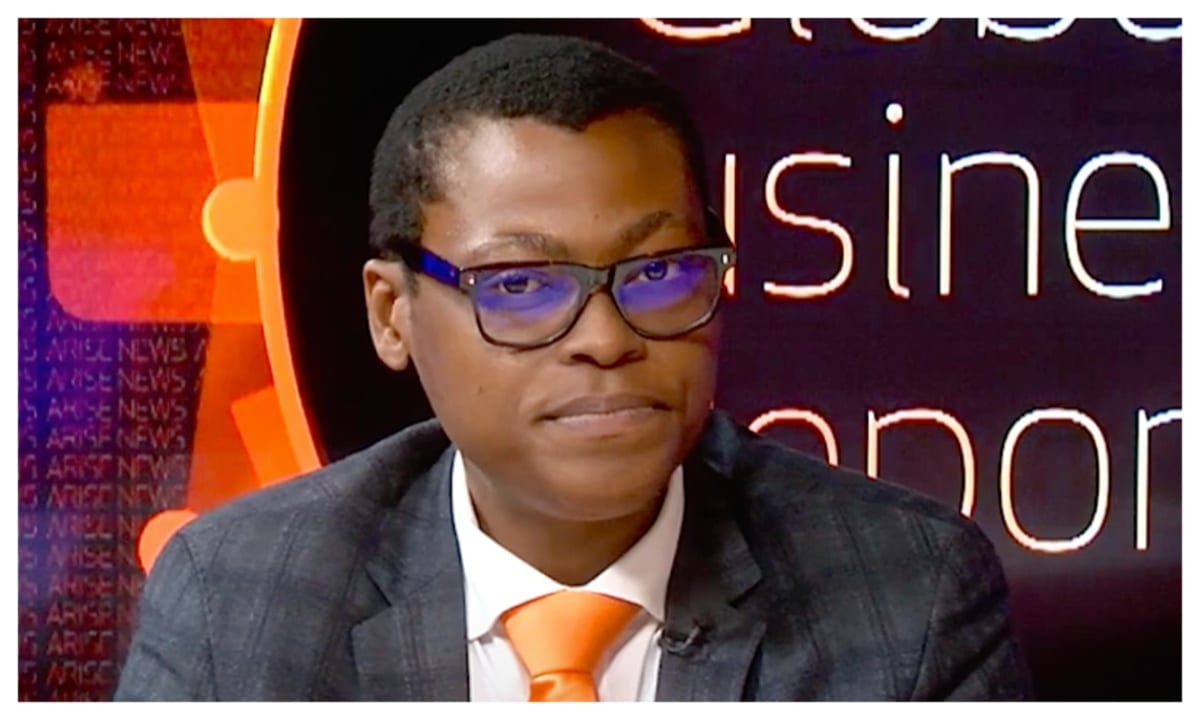
Arise News presenter, Rufai Oseni, has criticised Nigerian political leaders over what he described as their unwillingness to accept honest criticism and their tendency to portray poor governance as an achievement.
Oseni made the remarks while addressing the backlash surrounding his approach to journalism, insisting that public officials should not expect journalists to remain silent when their actions and decisions negatively affect the country.
The broadcaster accused members of the political class of hiding behind the concept of respect to discourage Nigerians from questioning their conduct and demanding explanations for their performance in government.
He maintained that speaking openly about the country’s challenges, particularly economic difficulties, rising insecurity and administrative failures, is often interpreted by politicians as an act of disrespect.
According to him, political leaders are quick to take offence when journalists highlight issues affecting ordinary citizens, yet they rarely demonstrate similar concern when government decisions leave millions of Nigerians struggling to survive.
Oseni argued that politicians have created an environment where those who demand transparency are portrayed as troublesome, while individuals responsible for policies that worsen people’s living conditions continue to present themselves as successful leaders.
He stressed that public office holders should understand that accountability is an essential part of democratic governance and should not be confused with personal attacks or deliberate attempts to undermine their authority.
The journalist also drew attention to the growing economic pressure facing households across the country, noting that many Nigerians are battling increasing living costs, financial uncertainty and deteriorating security conditions.
He suggested that the situation requires leaders to pay closer attention to the everyday experiences of citizens rather than concentrating on protecting their public image or attacking individuals who question their performance.
Oseni further expressed concern over the reaction of politicians whenever journalists raise uncomfortable questions during interviews or public engagements.
He observed that instead of providing explanations or addressing the issues being raised, some political office holders resort to accusing broadcasters and reporters of being disrespectful, confrontational or unnecessarily aggressive.
The Arise News anchor maintained that journalists should not abandon their responsibility to scrutinise those in authority simply because their questions may provoke uncomfortable reactions.
He argued that the media plays an important role in strengthening democracy by exposing shortcomings in government, examining public policies and ensuring that elected representatives remain answerable to the people.
Oseni also called on Nigerians to reconsider their attitude towards political leadership, urging citizens to place greater importance on measurable achievements rather than political affiliations, public appearances and repeated campaign promises.
He maintained that the country would continue experiencing the same difficulties if voters failed to question leaders who had spent several years in public office without delivering meaningful improvements in the lives of ordinary people.
The broadcaster emphasised that demanding better governance should not be interpreted as hostility towards political leaders, but rather as a legitimate responsibility of citizens in a democratic society.
He added that meaningful national progress would remain difficult to achieve if Nigerians continued to tolerate poor performance while condemning those who speak openly about the country’s problems.
Oseni’s comments have once again brought attention to the relationship between journalists and political office holders, particularly the growing debate over press freedom, public accountability and the responsibility of the media to question those in power.