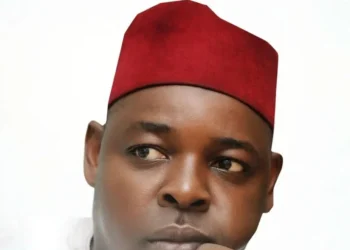


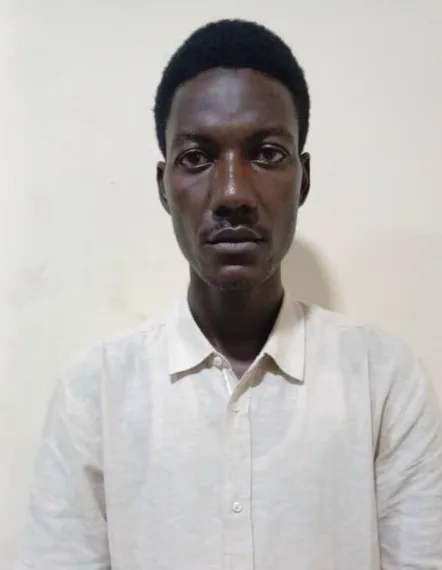
Mubarak Abdullahi, known as Sardaunan Samari, is facing a three-count case filed by the Department of State Services (DSS) over a letter falsely attributed to President Bola Tinubu and allegedly intended for the President of the United States.
The allegations, which involve cybercrime and defamation, are before the Federal High Court in Kaduna.
The development was disclosed on Monday night by Bayo Onanuga, the President’s Special Adviser on Information and Strategy, through a post on X. He said Abdullahi had earlier been taken before a magistrate in Kaduna, who ordered that he remain in custody at the Nigerian Correctional Centre.
Onanuga said the suspect was picked up on September 28 after publishing the disputed letter on his Facebook account. The post reportedly carried the words, “ATIKU IS COMING.”
The presidential aide further claimed that Abdullahi acknowledged sharing the material during questioning and expressed regret over the incident. Despite the apology, the DSS proceeded with legal action against him.
According to Onanuga, the agency subsequently lodged three charges against Abdullahi at the Federal High Court in Kaduna. He did not provide a date for the defendant’s appearance before the court to answer the charges.
The presidential aide also said the security service remained capable of identifying people involved in spreading information it considers misleading through online platforms.
Onanuga’s post described Abdullahi as an admirer of former Vice President Atiku Abubakar. At the time of publication, Atiku and his media aide, Phrank Shaibu, had not commented on the matter.
The arrest has drawn criticism from human rights campaigner Omoyele Sowore, who condemned the action in a post on X on Tuesday.
Sowore accused the APC-led government of turning the DSS against citizens whose views differ from those of the administration. He questioned why the security agency would arrest someone over material shared online.
He also warned government officials that they would one day be required to answer for their decisions, insisting that accountability would eventually catch up with those in power.