

Peter Obi, presidential candidate of the Nigeria Democratic Congress (NDC), has called on President Bola Tinubu to leave office in 2027, accusing his administration of failing to adequately address Nigeria’s economic and security challenges.
Obi made the remarks on Monday in Abuja during the inauguration of the NDC National Campaign Council, where he called for a change in leadership and a renewed focus on the welfare of Nigerians.
The former Anambra State governor criticised the Federal Government’s handling of poverty, unemployment, corruption and insecurity, arguing that the country needed leadership with the commitment to confront its growing challenges.
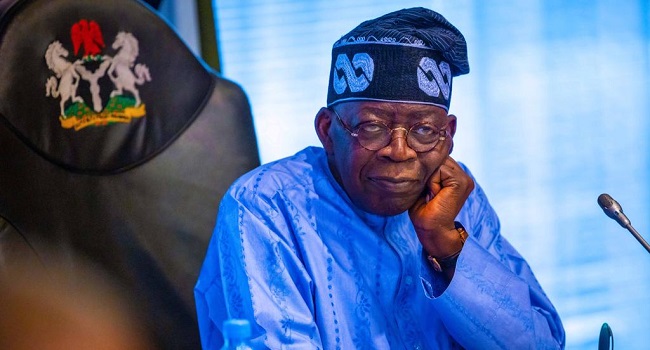
He questioned Tinubu’s capacity to continue governing Nigeria, alleging that the President had not demonstrated the level of energy and dedication he considered necessary to address the country’s difficulties.
Obi also raised questions about government spending and borrowing, calling for greater accountability over funds appropriated under the 2023, 2024 and 2025 budgets. He argued that Nigerians deserved clear explanations of how public resources had been used and the benefits delivered.
The NDC candidate maintained that political discussions should centre on practical solutions to the problems facing citizens rather than exchanges of blame among political leaders.
He identified the fight against corruption as a priority, pledging that an NDC-led administration would strengthen accountability and direct national resources towards improving living conditions.
Obi also referred to concerns about poverty, hunger and insecurity, using them to argue that Nigeria required a different approach to governance. His assessment of the country’s performance on these issues remains his stated political position.
The inauguration was attended by NDC figures, including Rabiu Musa Kwankwaso, the party’s vice-presidential candidate, and Seriake Dickson, its national leader.
Obi’s comments come as political parties begin positioning themselves ahead of the 2027 general elections. Economic hardship, security, public spending and accountability are expected to feature prominently in political debate.
Tinubu’s administration has defended its economic reforms as necessary to stabilise the economy and support long-term growth, while critics have questioned their impact on households and businesses.
As preparations for the next election gather momentum, competing political parties are expected to present their records, proposals and arguments to voters.