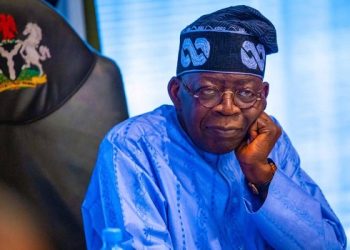


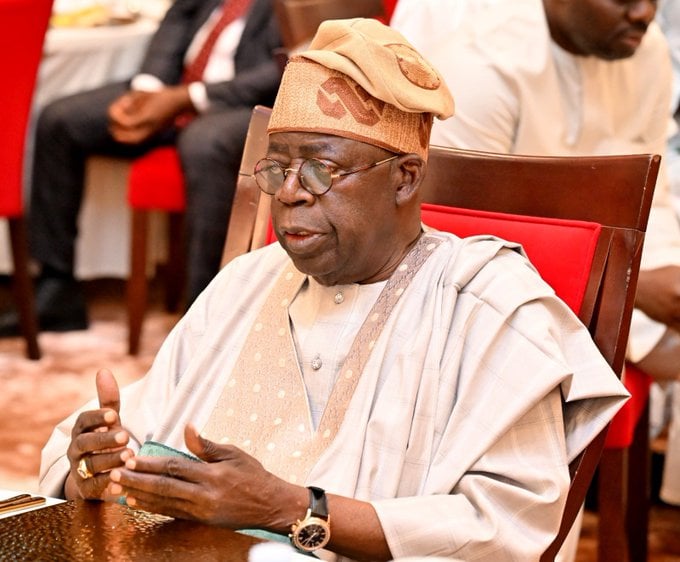
President Bola Tinubu has defended his administration’s economic reforms, insisting that the measures are designed to strengthen Nigeria’s economy, attract investment, create jobs and improve living standards.
Tinubu made the position known through Vice-President Kashim Shettima, who represented him at the opening of the 32nd Nigerian Economic Summit in Abuja.
The President acknowledged the challenges associated with the reforms but maintained that difficult decisions were necessary to address longstanding economic problems and establish a foundation for sustainable growth.
According to figures presented at the summit, Nigeria’s real Gross Domestic Product (GDP) grew by 3.89 per cent in the first quarter of 2026, compared with 3.13 per cent recorded during the corresponding period in 2025.
The non-oil sector accounted for 96.08 per cent of GDP, while manufacturing expanded by 3.29 per cent and the oil sector recorded growth of 2.57 per cent.
Tinubu said his administration would continue to focus on policies capable of strengthening the productive sectors of the economy and creating opportunities for businesses to expand.
He identified electricity, agriculture and solid minerals as key areas requiring sustained investment and reforms.
On electricity, the administration is seeking improvements in power generation and distribution to support businesses and industrial activities. In agriculture, the focus includes improving farmers’ access to markets and storage facilities, while the solid minerals sector is expected to benefit from greater investment and local processing.
The President also highlighted an increase in capital importation, which reportedly reached $10.37 billion in the first quarter of 2026, representing an 83.83 per cent rise compared with the same period in the previous year.
He argued that attracting more investment would help expand productive activities, strengthen businesses and create employment opportunities for Nigerians.
However, Tinubu acknowledged that economic growth must translate into tangible benefits for citizens, particularly through job creation, higher productivity and improved household welfare.
United Nations Deputy Secretary-General Amina Mohammed, who also addressed the summit, emphasised the importance of sustaining reforms and ensuring that economic progress delivers meaningful results for the population.
BUA Group Chairman Abdul Samad Rabiu also expressed support for the reform agenda, noting that improvements in foreign-exchange access could help businesses operate with greater certainty.
The summit, themed “Growth That Works: Delivering Jobs, Productivity and Shared Prosperity,” brought together government officials, business leaders and other stakeholders to examine strategies for improving Nigeria’s economic performance.
Discussions centred on how policy reforms could stimulate investment, strengthen productivity and generate employment across different sectors.
Despite the reported improvements in key economic indicators, the administration faces the continuing challenge of ensuring that growth leads to better living conditions and wider economic opportunities for Nigerians.