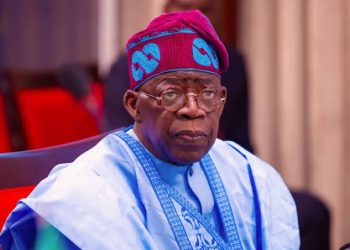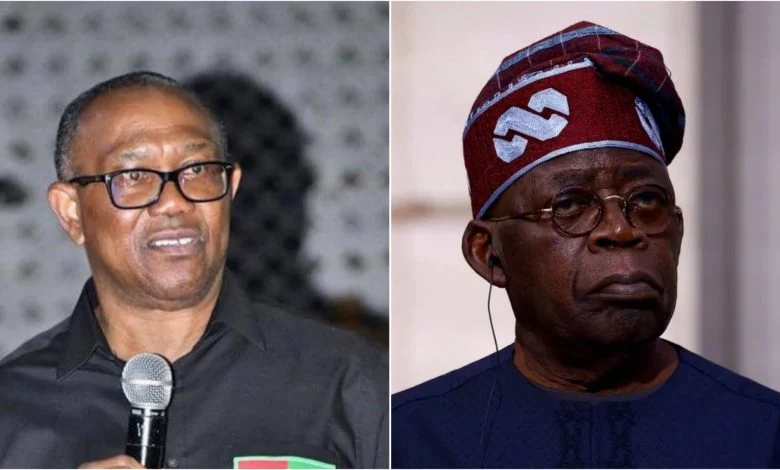
The media office of Peter Obi has criticised the administration of President Bola Tinubu, identifying 10 areas it says have fallen short of Nigerians’ expectations ahead of the 2027 presidential election.
The position was contained in a statement issued on Sunday and signed by Idris Zekeri Jnr, in which the former Anambra State governor’s media team also defended his record in public office and argued that he possesses the experience required to lead Nigeria.
Obi, who is the presidential candidate of the Nigeria Democratic Congress (NDC), has increasingly focused his campaign on his record as Anambra governor and his proposals for addressing Nigeria’s economic and social challenges.
According to his media office, the Tinubu administration’s performance should be assessed against the conditions experienced by ordinary Nigerians rather than solely through government announcements about reforms and projects.
The office placed the rising cost of living at the centre of its criticism, arguing that the removal of petrol subsidy and other economic policies had increased the financial pressure on households.
It linked the reforms to higher transportation costs and increased prices of food and other essential commodities, saying many families were struggling to cope with the rising cost of basic necessities.
The media team also criticised the depreciation of the naira, arguing that the weaker currency had increased the cost of imported goods, medicines, machinery and industrial inputs. It said businesses dependent on imported materials had consequently faced higher operating costs, with some of the burden transferred to consumers.
Inflation and declining purchasing power were also identified among the concerns. The office argued that increases in the prices of goods had reduced the value of household incomes, making it increasingly difficult for citizens to meet their basic needs.
On employment, Obi’s media office said many young Nigerians continued to face difficulties securing stable jobs and productive economic opportunities. It argued that the country needed stronger job creation and an economy capable of improving living standards.
Security was another major area of criticism. The office accused the Federal Government of failing to completely address terrorism, banditry, kidnapping and communal violence across parts of the country.
It also raised concerns about transparency, accountability and public confidence, citing controversies surrounding government spending, appointments, procurement and the management of public resources.
The statement further criticised what it described as a gap between government promises and the everyday experiences of Nigerians, particularly regarding food prices, transportation, security and employment.
The media office also argued that the government had not done enough to cushion the immediate effects of its economic reforms, insisting that citizens should be able to see tangible benefits from the sacrifices associated with the policies.
However, the Federal Government has consistently defended the reforms, with President Tinubu maintaining that the removal of petrol subsidy was necessary to address the financial burden created by the subsidy regime.
The administration has also pointed to initiatives including the compressed natural gas programme, increased allocations to states and local governments, infrastructure projects and efforts to attract investment as evidence of its economic strategy.
The Obi media office, however, maintained that the government could not rely indefinitely on the challenges it inherited to justify its performance.
It said Nigerians would ultimately judge the administration by whether their living conditions had improved and whether the difficult economic measures being implemented were producing meaningful results.
The criticism comes as political activities intensify ahead of the 2027 presidential election, with Obi positioning his record in Anambra and his proposed policy direction as key elements of his campaign.