

A diaspora advocacy group, the Nigerians in Diaspora Civic Forum, has accused the Nigerian High Commission in the United Kingdom of imposing additional charges on Nigerians seeking passports under the Federal Government’s special passport intervention programme.
The group also criticised the Ministry of Foreign Affairs over the alleged charges, describing them as unauthorised and inconsistent with the approved fees for passport applications under the intervention programme.
According to the group, the alleged additional payments have raised concerns among Nigerians in the UK who expected the intervention programme to provide access to passport services at officially approved rates.
The organisation called for clarification from the relevant government authorities, particularly regarding the basis for any charges beyond the prescribed passport fees.
The controversy comes against the backdrop of previous concerns over passport-related charges faced by Nigerians in the diaspora. Official information from the Nigeria Immigration Service states that passport application fees for Nigerians abroad remain $150 for a 32-page passport with five-year validity and $230 for a 64-page passport with 10-year validity.
The Nigeria High Commission in London also lists a £20 administrative fee for certain e-passport applications, payable to the High Commission.
The latest allegation, however, centres specifically on the special intervention programme and whether applicants are being required to make additional payments outside officially approved charges.
The diaspora group urged the Federal Government to investigate the situation and ensure transparency in the administration of passport services for Nigerians living in the United Kingdom.
It also called for clearer communication on the fees payable under the intervention programme to prevent applicants from being subjected to unexpected financial demands.
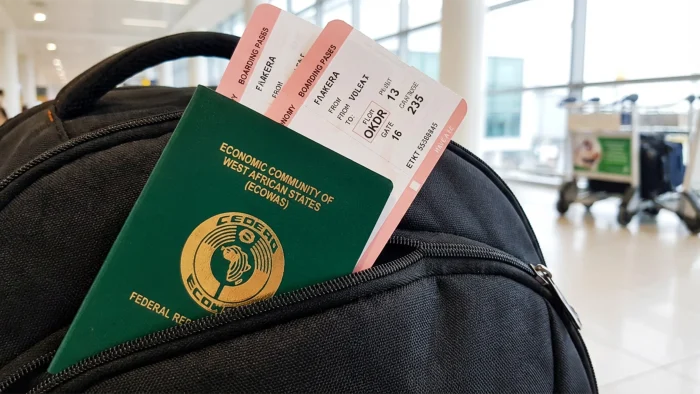
Passport services have remained a significant concern for Nigerians living abroad, particularly because the document is essential for international travel, identification and access to consular services.
The Federal Government has in recent years introduced measures aimed at improving passport issuance and reducing delays for Nigerians both within the country and in the diaspora.
The Nigeria Immigration Service has maintained that fees for Nigerians applying abroad are separate from the revised domestic passport charges introduced in Nigeria.
As the controversy unfolds, stakeholders are expected to seek clarification from the Ministry of Foreign Affairs, the Nigeria Immigration Service and the Nigerian High Commission in London on the charges being demanded from applicants under the intervention programme.
The allegations have renewed calls for greater transparency and accountability in the delivery of consular services to Nigerians abroad.