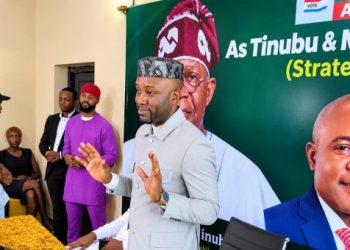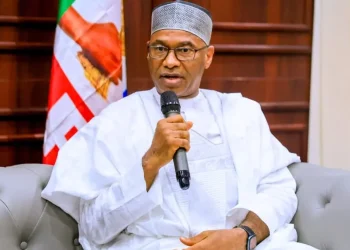


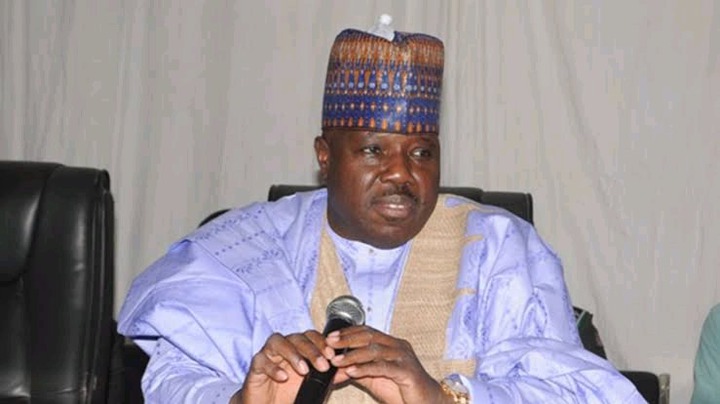
Sani Ahmad Zangina, the coordinator of the Grassroots Movement for Tinubu Continuity 2027, has raised objections to the reported involvement of former Borno State Governor, Senator Ali Modu Sheriff, in the All Progressives Congress (APC) campaign structure being prepared for the 2027 presidential election.
Zangina expressed his reservations during an interview with Arise News on Sunday, where he questioned whether Sheriff was the right person to occupy a prominent position within the campaign organisation, particularly in the North-East geopolitical zone.
According to him, campaign officials expected to promote President Bola Tinubu’s re-election bid should demonstrate an unmistakable commitment to the president, his administration and the policies being presented under the Renewed Hope Agenda.
He argued that individuals entrusted with important responsibilities in the campaign should not only speak in support of Tinubu but should also demonstrate their allegiance through their conduct and public appearance.
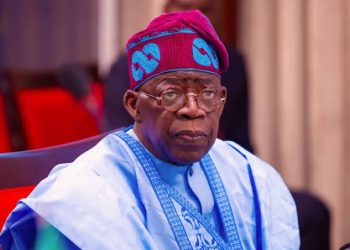
Zangina particularly drew attention to Sheriff’s reported reluctance to adopt the traditional cap associated with Tinubu and his political movement. He suggested that such symbolism could be important when campaign representatives are attempting to connect the president’s message with supporters at the grassroots.
The Tinubu supporter maintained that campaign personalities serve as representatives of the administration and should therefore reflect the values and identity of the political project they have been assigned to promote.
He explained that his own decision to wear the symbolic cap was an expression of his loyalty to Tinubu’s political programme and his desire to see the president remain in office beyond the 2027 election.
Zangina said the appearance and attitude of campaign officials could influence how effectively the administration’s achievements and plans are communicated to ordinary Nigerians.
He questioned the logic of placing individuals in influential campaign positions when their public conduct appears inconsistent with the image or political identity of the president they are expected to represent.
The grassroots mobilisation leader also acknowledged Tinubu’s influence and support base across the North-East, suggesting that the president has established considerable political acceptance in the region.
However, he warned that questions surrounding the composition and leadership of the campaign organisation could create difficulties if not properly addressed before the election.
According to Zangina, the central objective of the campaign should be to take the achievements of the Tinubu administration directly to voters and explain the policies contained in the Renewed Hope programme.
He therefore maintained that anyone selected to lead or coordinate such efforts should be visibly committed to the president’s political agenda.
Zangina further questioned how a campaign representative could convincingly communicate Tinubu’s message to supporters while simultaneously appearing uncomfortable with symbols closely associated with the president.
His comments come as political activities begin to intensify ahead of the 2027 presidential contest, with supporters of the administration already working to build structures capable of securing Tinubu another term.
The debate over campaign appointments is expected to continue as political groups and supporters assess the individuals considered suitable for key roles across Nigeria’s geopolitical zones.
For Zangina, however, loyalty, visibility and consistency should remain important considerations when selecting those who will take responsibility for promoting Tinubu’s 2027 presidential campaign, particularly at the grassroots level.